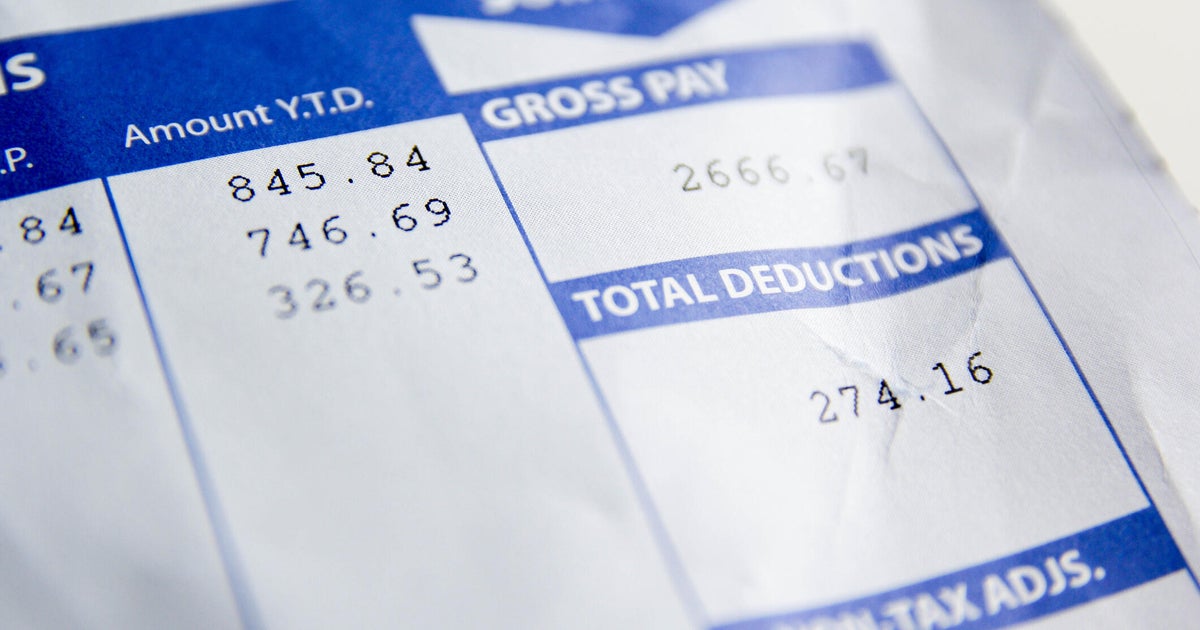
Americans got their biggest raises in 40 years. Inflation took most of it.
Summary
Since 2019, the typical full-time American worker’s pay rose significantly, by about 38%, but most of this increase was offset by rising prices. After accounting for inflation, workers have about $70 more per week to spend, a modest gain over seven years.Key Facts
- The typical American worker earned $1,250 per week in early 2026, up $342 from before the pandemic.
- Consumer prices increased by 30% from 2019 to 2026, eroding about 80% of wage gains.
- After inflation, the typical worker’s real pay increased about 6% over seven years, less than 1% per year.
- Pay increases were uneven: half of workers outpaced inflation, one quarter matched it, and one quarter lagged behind.
- Lower-paid jobs like nursing aides and waiters saw pay rises above inflation, while teachers and postal workers lost purchasing power.
- Police officers’ real pay grew nearly 10%, but registered nurses’ pay stayed flat after inflation.
- Postal workers rejected a contract offering about 1.3% annual wage increases, marking their first such rejection since 1978.
- Overall, the wage growth after inflation since 2019 is better than most seven-year periods since 1979.
Read the Full Article
This is a fact-based summary from The Actual News. Click below to read the complete story directly from the original source.