‘I couldn’t breathe’: the deadly health burden of wildfire smoke
Summary
Wildfire smoke from large fires in Canada and Europe is causing serious health problems and thousands of early deaths each year. The smoke contains tiny harmful particles that can damage lungs and spread through the body, affecting people even far from the fires. Climate change is making wildfires worse, which may increase air pollution and health risks.Key Facts
- Wildfire smoke causes about 1.5 million deaths worldwide each year, which is more than deaths caused by floods, flames, storms, or heat.
- In 2023, wildfires in Canada caused an estimated 82,000 early deaths, with some of the smoke pollution spreading to the US and Europe.
- About 10% of the UK’s fine air pollution (small particles called PM2.5) comes from wildfires burning plants abroad.
- Smoke particles are so small they can enter lungs, pass into the bloodstream, and reach many organs in the body.
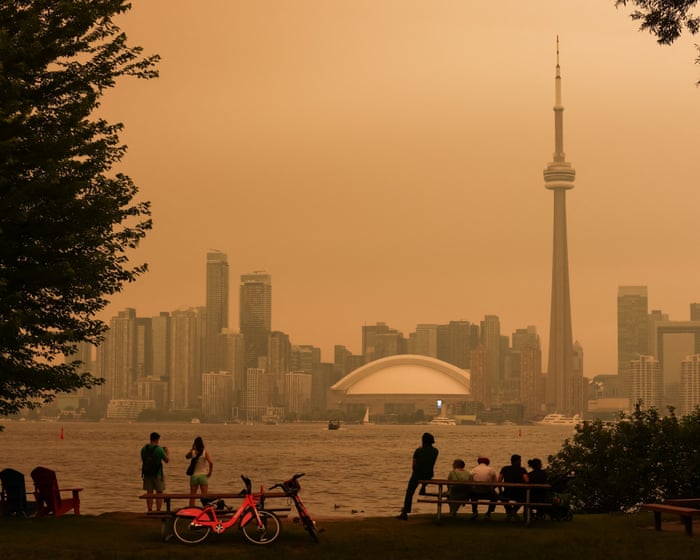
- Air quality in cities like Toronto and Portland got very bad during recent wildfires, with skies turning orange due to heavy smoke.
- The direction of the wind plays a big role in who gets affected by smoke; cities near big fires can have good or bad air quality depending on wind patterns.
- Scientists are still studying the long-term health effects and how repeated smoke exposure might impact people.
- Climate change is increasing fire risk and could lead to longer and more severe smoke pollution episodes.
Read the Full Article
This is a fact-based summary from The Actual News. Click below to read the complete story directly from the original source.


