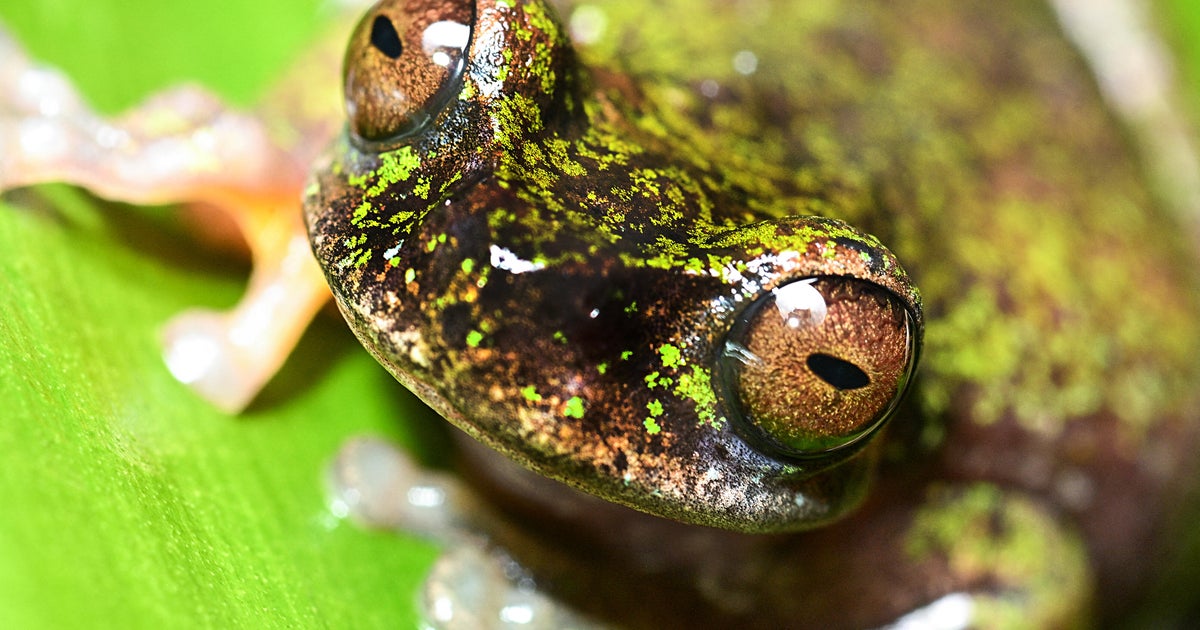
Costa Rica's newly discovered "coffee frog" faces risks from farm pesticides
Summary
Scientists discovered a new species of small green tree frog in Costa Rica's coffee-growing region. This frog lives mainly in coffee farms but is at risk from pesticides and habitat problems.Key Facts
- The frog is less than 4 centimeters long and is called the "spring frog" or "coffee frog."
- It was first seen in the 1960s but mistaken for another species until confirmed in 2021 through DNA and physical studies.
- The male frog has a see-through throat that inflates when it makes a short, high-pitched sound at night.
- The frog lives in coffee plantations and eats small insects, not coffee beans.
- Pesticides used on coffee farms can harm the frogs by contaminating the soil and water where tadpoles grow.
- Other dangers to the frog include trash dumping, more tourists, and loss of plants from protected area invasions.
- The frog is unique to Costa Rica and was found in the central Pacific region of the country.
Read the Full Article
This is a fact-based summary from The Actual News. Click below to read the complete story directly from the original source.