Sydney’s sugar rush: how the colony’s most powerful profited from Australia’s slave trade
Summary
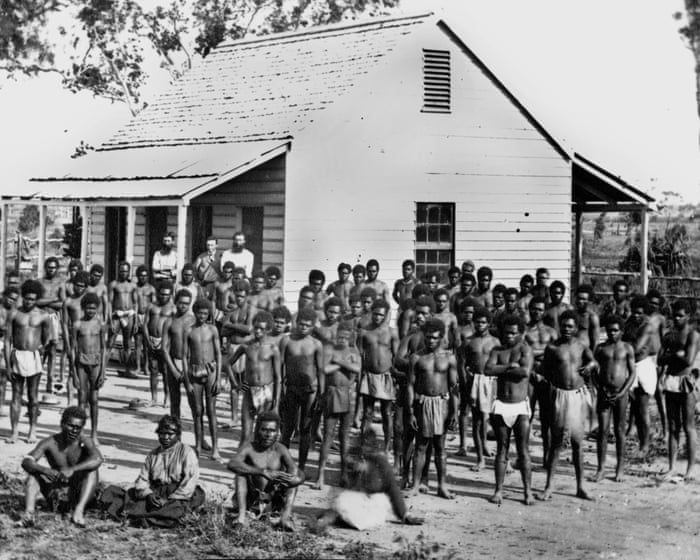
Between 1860 and 1906, up to 62,000 Pacific Islanders were forced to work in Australia, mainly in sugar cane and cotton farming. This practice, known as blackbirding, involved kidnapping and cheating people into slavery, and its impact is still being recognized and addressed today.Key Facts
- Blackbirding refers to the forced recruitment and enslavement of Pacific Islanders for labor.
- Australia formally acknowledged the legacy of blackbirding in a 2026 agreement with Vanuatu.
- Most blackbirded workers labored in Queensland’s sugar cane and cotton industries but also worked on Sydney docks and other projects.
- Many laborers suffered harsh conditions, and about 15,000 died while enslaved in Australia.
- Some remains of Pacific Islanders taken during blackbirding are still held in Australian museums.
- Prominent Sydney companies and leaders profited from blackbirding, particularly through sugar production.
- Emelda Davis, a descendant of blackbirded Islanders and former Sydney councillor, advocates for greater recognition of this history.
- The Colonial Sugar Refining Company was a key business benefiting from enslaved labor, with its old refinery now part of a Sydney park.
Read the Full Article
This is a fact-based summary from The Actual News. Click below to read the complete story directly from the original source.