Court asked to block Trump's 2nd executive order targeting birthright citizenship
Summary
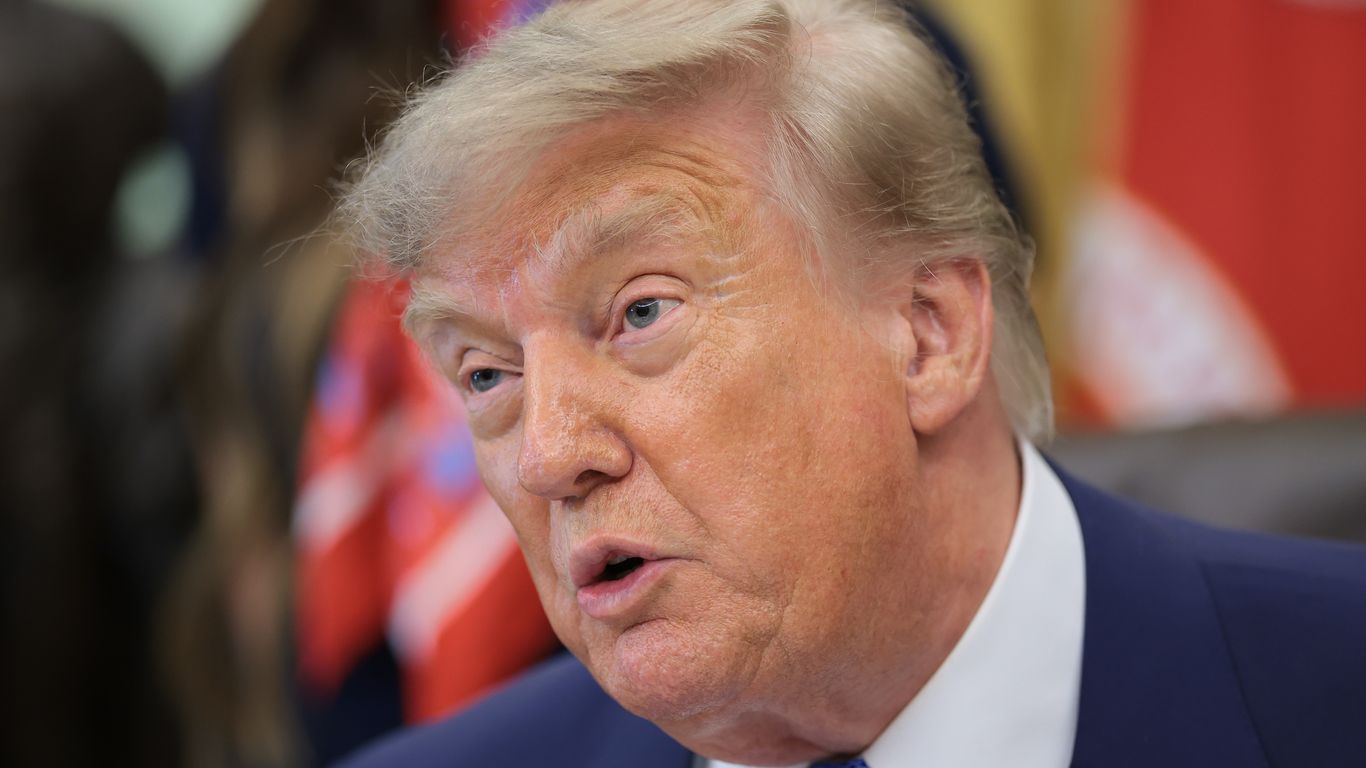
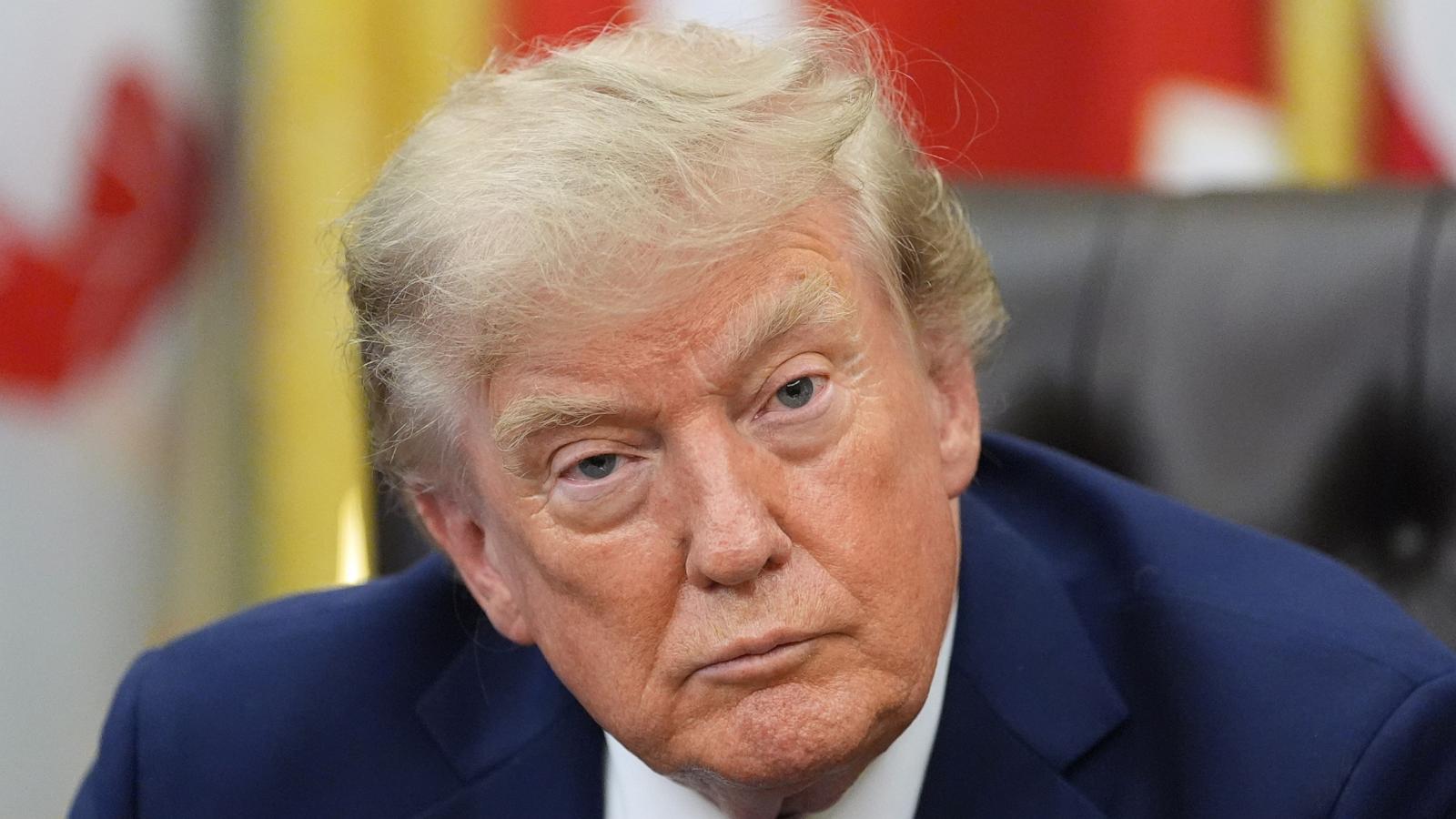
President Donald Trump signed a second executive order aiming to limit birthright citizenship for certain children born in the U.S. A federal court is being asked to block this new order, arguing it conflicts with a recent Supreme Court ruling that rejected Trump's first attempt to end birthright citizenship.Key Facts
- President Trump issued a second executive order targeting birthright citizenship for children born to specific groups, such as "alien enemies," foreign government employees, and parents involved in certain transactions.
- The Supreme Court previously rejected Trump's first executive order to end birthright citizenship.
- The Supreme Court recognized only four exceptions where children born in the U.S. do not gain citizenship automatically: children of ambassadors, those born on foreign public ships, children of enemies occupying U.S. territory, and members of Indian tribes.
- The Supreme Court ruled these exceptions are a closed list, meaning no new exceptions can be added.
- The American Civil Liberties Union (ACLU) is representing immigrant families and asked a federal court to confirm the Supreme Court’s decision blocks this second executive order.
- The administration argues the new categories in Trump's order are valid exemptions, though the ACLU disagrees.
- The second executive order is scheduled to take effect on September 6, 2026.
- The debate centers on constitutional and legal definitions of citizenship based on birthplace.
Read the Full Article
This is a fact-based summary from The Actual News. Click below to read the complete story directly from the original source.