Did poop enable the evolution of complex animals?
Summary
Scientists studied fossils and ancient ocean chemistry to find that the ability of early animals to produce feces may have helped life evolve rapidly about 540 million years ago. Poop pellets likely moved nutrients to deeper ocean areas, supporting bigger animals and more diverse ecosystems during the Cambrian Explosion.Key Facts
- The Cambrian Explosion happened around 540 million years ago, when many complex animals appeared.
- Early animals evolved the ability to poop, creating fecal pellets that sank into the ocean depths.
- Poop helped spread important nutrients like carbon, iron, nitrogen, and phosphorus to deeper waters.
- This nutrient recycling boosted marine life by making deep ocean areas more habitable.
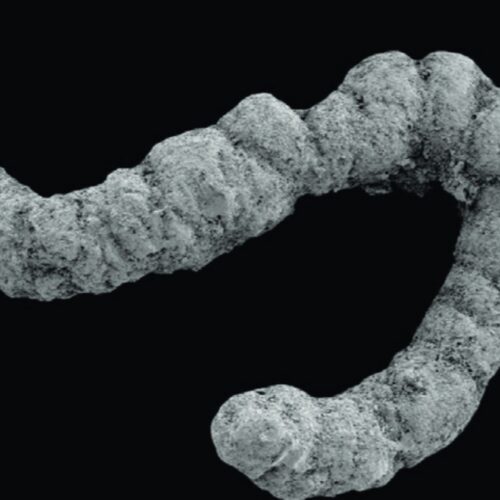
- Scientists analyzed fossilized poop (coprolites) and digestive systems from the Cambrian period.
- The study compared ancient nutrient cycles to those in today’s oceans, focusing on a system called the biological pump.
- Fossilized poop containing shell fragments from animals like trilobites was found in places including Australia, Greenland, and China.
- The research suggests feces played an important role in supporting the evolution and growth of early animal life.
Read the Full Article
This is a fact-based summary from The Actual News. Click below to read the complete story directly from the original source.