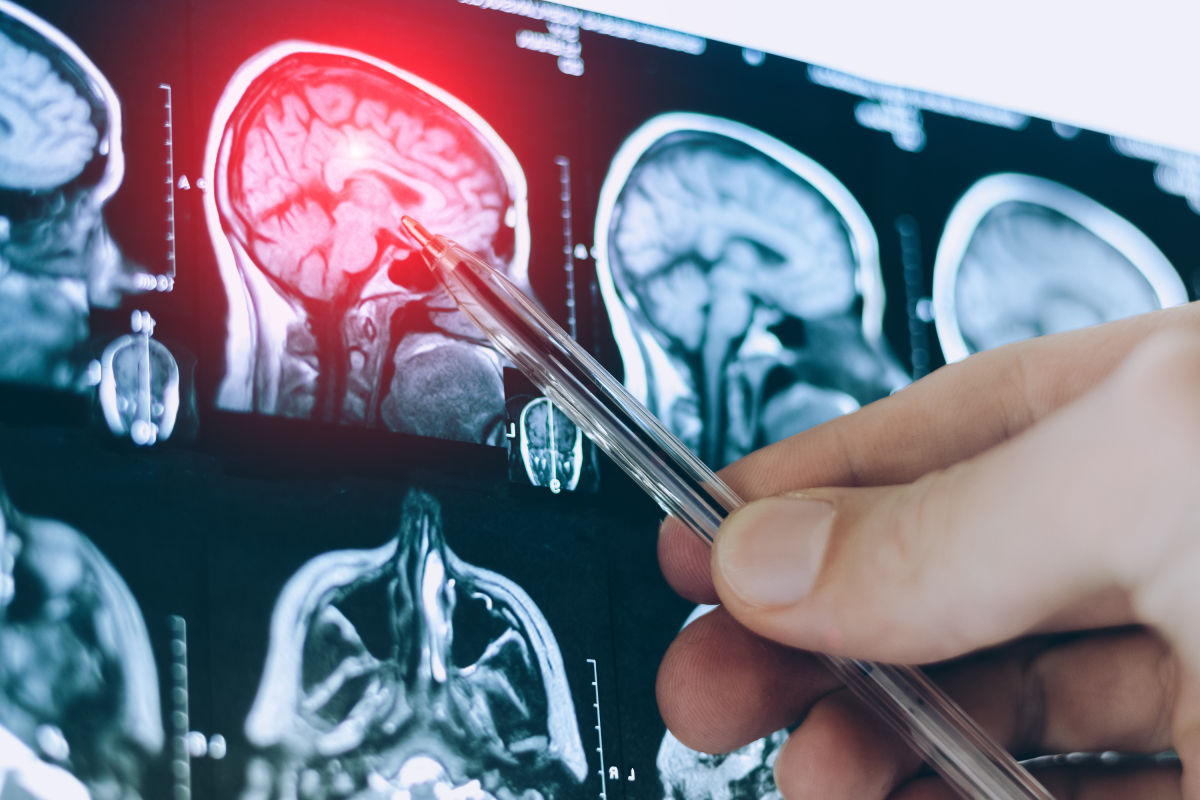
Alzheimer's Blood Tests Have a Blind Spot. Scientists May Have Found a Fix
Summary
Scientists have found that combining multiple protein markers in blood tests can improve the accuracy of diagnosing Alzheimer's disease. This approach helps detect key brain changes linked to the illness more reliably than using a single marker or standard clinical exams.Key Facts
- Blood tests offer a simpler and less invasive way to detect Alzheimer's compared to brain scans or spinal taps.
- The study published in JAMA Neurology showed that measuring both amyloid-beta plaques and tau protein tangles in blood improves diagnosis accuracy.
- Single markers alone are less reliable; combining them achieved about 88-92% accuracy in identifying Alzheimer's patients.
- Amyloid plaques form early in Alzheimer's, while tau tangles are more connected to memory loss and thinking problems.
- Blood tests could make diagnosis more accessible, reducing the need for costly and complex brain imaging.
- Researchers say more studies are needed before blood tests become routine in regular doctor visits.
- Early diagnosis through blood tests might help doctors decide who would benefit most from available treatments.
Read the Full Article
This is a fact-based summary from The Actual News. Click below to read the complete story directly from the original source.