Mark Zuckerberg says the future of AI is for everyone. But who owns it?
Summary
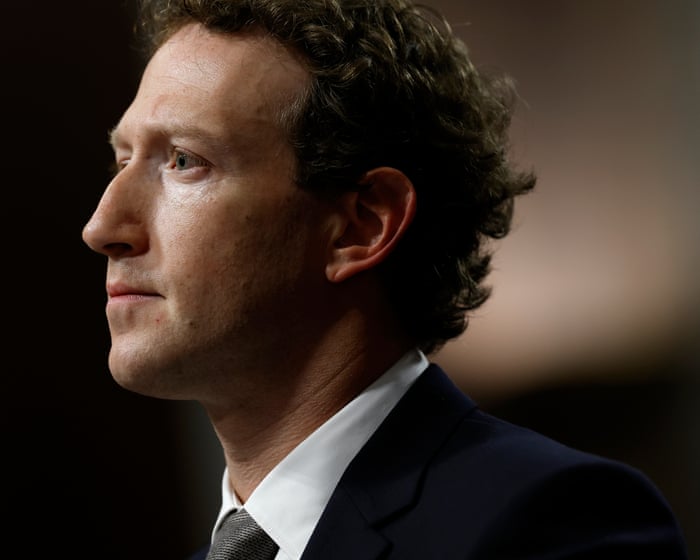
Mark Zuckerberg wrote an essay titled "The Future Is for Everyone" and released an open-weight AI model from Meta that users can download and run on their own computers. Unlike most other AI tools that require renting access and can be shut off by companies or governments, this type of model gives users full control over it. The article discusses who really owns AI and the power dynamics behind open versus closed AI models.Key Facts
- Mark Zuckerberg published a 6,500-word essay about the future of AI and released a downloadable open-weight AI model from Meta.
- Open-weight AI models can be downloaded and run locally, unlike popular AI tools like ChatGPT that require online access and can be turned off remotely.
- Governments and companies currently hold the power to disable or restrict access to many AI services.
- Meta’s new AI model allows users to keep full control, offering a form of ownership and privacy.
- There are concerns about privacy and data control, as users’ personal information may still be stored on company servers.
- Chinese AI models are often open-source because their business model depends on openness, while American companies tend to keep AI closed to protect profits.
- Even if a company stops supporting an AI model, downloaded versions on users’ devices continue to work and support the ecosystem.
- The article compares this situation to past tech battles, like Internet Explorer nearly closing the open web, showing the importance of software built for users, not just makers.
Read the Full Article
This is a fact-based summary from The Actual News. Click below to read the complete story directly from the original source.