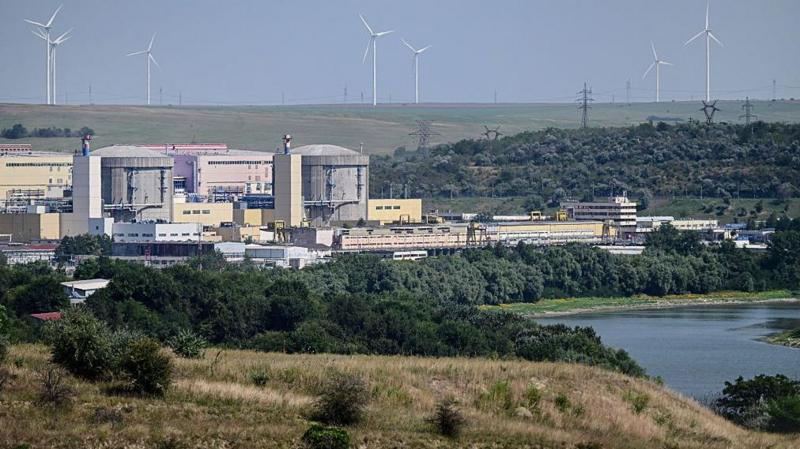
Romania shuts only nuclear plant as heat causes huge drop in Danube River level
Summary
Romania has stopped using its only nuclear power plant because very low water levels in the Danube River, caused by hot weather, make it unsafe to cool the reactors. This shutdown will last at least 10 days, and the low water levels also affect hydroelectric power and river traffic in Europe.Key Facts
- Romania’s Cernavodă nuclear plant, producing about 20% of the country’s electricity, was shut down due to low Danube River levels.
- The second reactor was disconnected just before midday on Thursday; the first reactor was shut down earlier in July.
- The Danube’s water level is at its lowest in 30 years in some countries.
- Low water prevents the plant’s cooling system from working properly because the intake can’t reach enough water.
- Romania is using solar, wind, coal, gas power, and imports to cover the electricity shortfall.
- Hungary’s nuclear plant on the Danube has not shut down yet but faces similar risks.
- Europe’s rivers, including the Rhine, have very low water, impacting transport and power generation.
- Climate change is causing hotter temperatures and more heatwaves in Europe, adding pressure on water resources and agriculture.
Read the Full Article
This is a fact-based summary from The Actual News. Click below to read the complete story directly from the original source.