US law to investigate foodborne illness outbreaks has been delayed for 15 years
Summary
A U.S. law designed to help federal agencies investigate foodborne illness outbreaks has been delayed for over 15 years. Originally passed in 2010 and set to start in 2026, the rule requiring better tracking of risky foods will now begin in 2028, after recent lobbying delayed its implementation.Key Facts
- The law, often called the "traceability rule," was created under the Food Safety Modernization Act of 2011.
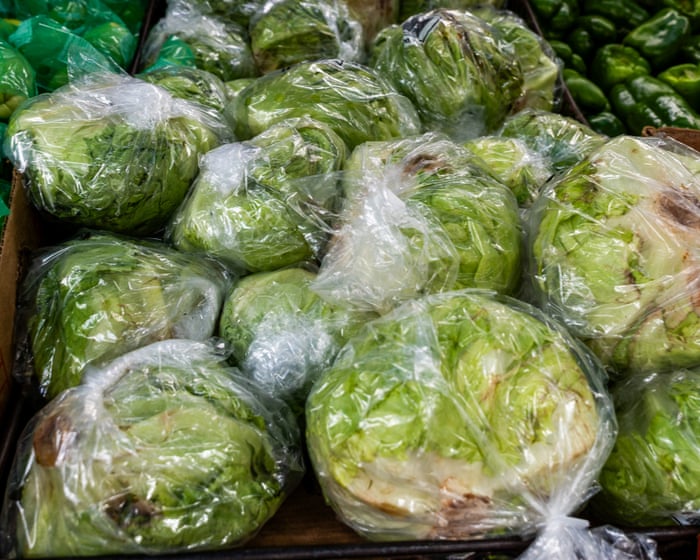
- It requires companies to keep detailed records of high-risk foods like leafy greens, soft cheese, eggs, and peanut butter.
- The rule helps the FDA trace contaminated food back through the supply chain to find the source of illness faster.
- The rule was first asked for by Congress in 2010 but has not yet been enforced.
- Lobbying by food companies and retailers has delayed the rule’s start date multiple times, most recently pushing it from 2026 to 2028.
- In 2025, a large outbreak of cyclosporiasis sickened over 24,000 people and caused two deaths, which the rule might have helped to control earlier.
- Local health departments begin investigations of outbreaks, while federal agencies track the food’s path from restaurants back to farms.
- Current tracking is based on the “one up, one back” system from a 2003 law, which can make tracing outbreaks complicated due to mixed food sources.
Read the Full Article
This is a fact-based summary from The Actual News. Click below to read the complete story directly from the original source.


