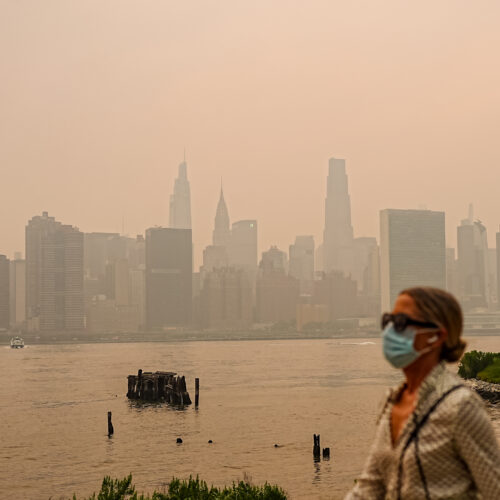
Wildfire smoke now bigger prenatal threat than human sources of air pollution
Summary
A new study from the University of Maryland finds that smoke from wildfires is now a bigger threat to unborn babies than pollution from human sources like cars and factories. While emissions from these human sources have dropped since 2003, wildfire smoke exposure for pregnant women has increased, which can harm babies' health at birth and later in life.Key Facts
- Emissions from vehicles and factories have decreased by nearly 80% since 1970 due to laws like the Clean Air Act.
- Wildfire smoke has risen and now cancels out the air quality improvements made by reducing human pollution.
- The study analyzed data on almost 65 million babies born in the U.S. from 2003 to 2019.
- Researchers looked at fine particle pollution (called PM2.5) from wildfires and human sources.
- Prenatal exposure to wildfire smoke raises the risk that babies are born too early or too small, which can cause health problems.
- Rural, low-income, and Indigenous communities face the highest impact from wildfire smoke pollution.
- The study used EPA data and computer models to estimate pollution exposure without wildfire smoke for comparison.
- Experts say wildfire smoke will cause serious public health issues, especially for children’s lung health.
Read the Full Article
This is a fact-based summary from The Actual News. Click below to read the complete story directly from the original source.