Chronic pain is missing from America's heat warnings
Summary
A study of over 35,000 Americans over age 50 found that long-term exposure to extreme heat and cold affects chronic pain levels differently depending on location and income. Rural and low-income older adults are more likely to experience severe pain from heat because they may have less access to cooling and healthcare.Key Facts
- The study followed adults over 50 across two decades, comparing their pain reports with neighborhood temperature histories.
- High-impact chronic pain means pain lasting at least three months that limits daily activities like work or self-care.
- Cold can increase pain by stiffening joints and making people more sensitive to pain.
- Heat causes dehydration, poor sleep, and less physical activity, which can worsen pain.
- Hot nights that do not cool down are especially harmful because the body cannot recover.
- Rural residents showed a stronger link between sustained heat and new chronic pain, likely due to more outdoor work and older, less cool homes.
- Poorer older adults also faced higher risks of pain from heat, while wealthier individuals had less risk due to better access to air conditioning and healthcare.
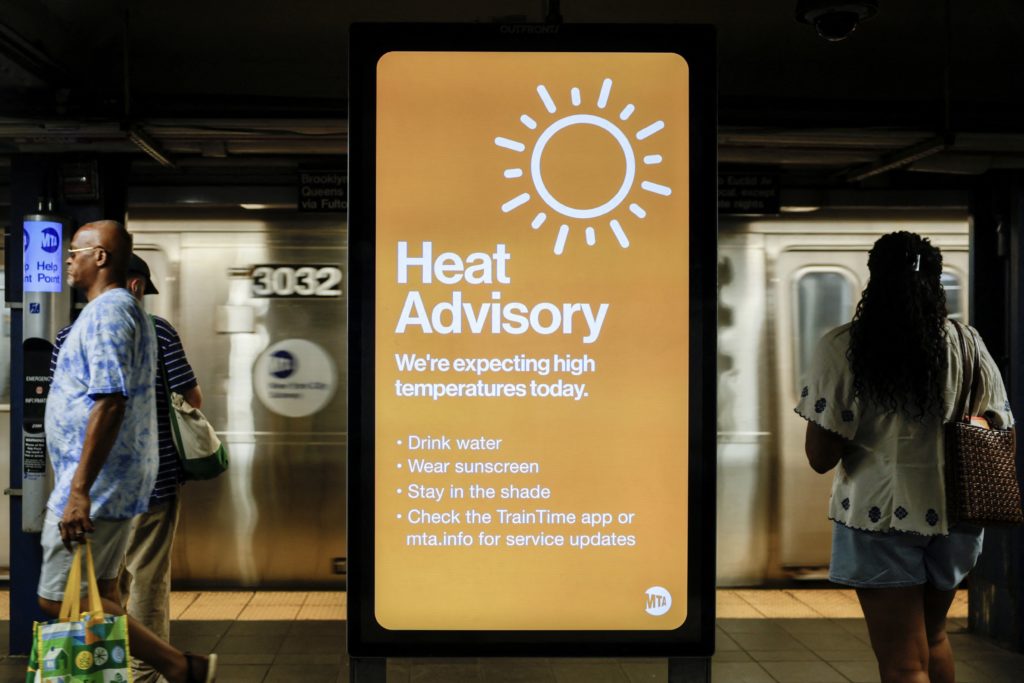
- Current heat safety programs mostly focus on cities and may not address rural needs where energy costs are higher and hospitals are closing.
Read the Full Article
This is a fact-based summary from The Actual News. Click below to read the complete story directly from the original source.