After Hormuz, China looks to the promise – and peril – of the Arctic’s ‘ice silk road’
Summary
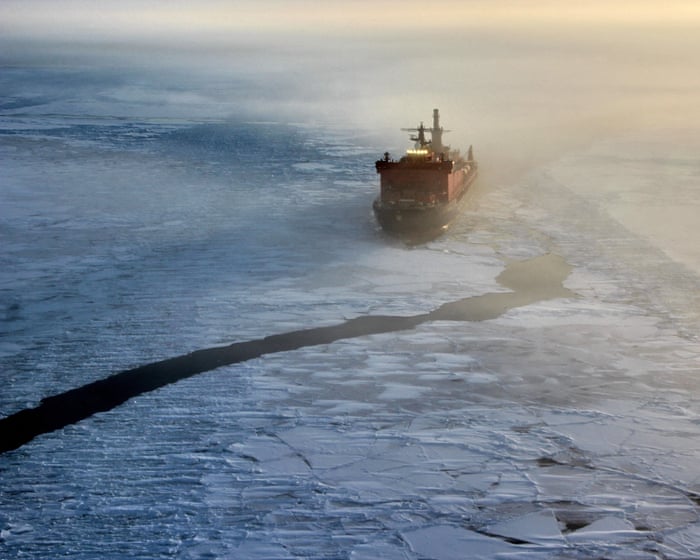
China has launched the first regular shipping service through the Northern Sea Route (NSR), a shipping lane along Russia’s Arctic coast. This route can cut travel time between China and Europe by more than half but carries environmental and political risks.Key Facts
- The Northern Sea Route is about 5,500 km long and goes through the Arctic Circle.
- It is navigable during warmer months due to shrinking sea ice caused by climate change.
- China’s Sea Legend shipping company started a regular container service through this route in 2025.
- The NSR trip from Ningbo-Zhoushan (China) to Felixstowe (UK) takes about 18 days, versus over 40 days via the Suez Canal.
- The route is good for shipping sensitive cargo like electric vehicles, lithium batteries, and solar products.
- Russia controls and manages the route, including issuing permits and providing nuclear-powered icebreakers.
- Using the NSR can lower emissions by reducing sailing time, but risks like oil spills and black carbon emissions threaten the fragile Arctic environment.
- Heavy fuel oil has been banned in the Arctic since 2024, but some ships still face criticism for using it, as spills would be very hard to clean up.
Read the Full Article
This is a fact-based summary from The Actual News. Click below to read the complete story directly from the original source.