As temperatures get hotter, pesticides are more dangerous to farmworkers
Summary
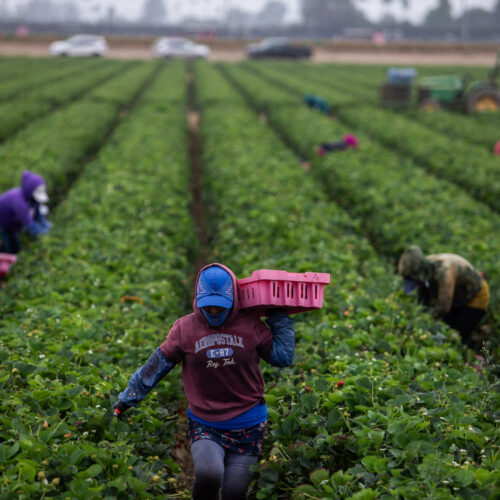
Climate change is making pesticides more dangerous for the 2.4 million farmworkers in the United States. Hotter temperatures increase the risk of pesticide exposure and harm because heat stresses the body, raises pesticide evaporation, and can turn pesticides into more toxic chemicals.Key Facts
- Heat makes farmworkers’ bodies more vulnerable to pesticides and other toxic chemicals.
- Protective clothing adds to heat stress, which can increase pesticide absorption through the skin.
- Hot weather causes more pesticides to evaporate, increasing air exposure.
- Rising temperatures can create more toxic forms of pesticides through chemical changes.
- More pests and weeds due to heat lead to greater pesticide use.
- Many farmworkers are people of color and immigrants, making this an issue of environmental justice.
- Most pesticide poisonings affect workers who do not handle pesticides directly.
- Protective gloves can become less effective in high heat.
- Pesticide exposure is linked to serious health problems like cancer, depression, and diabetes.
- Family members of farmworkers can also be exposed to pesticide residues brought home on skin and clothes.
- Heat-related illnesses and deaths among workers have been increasing, with about 34 deaths per year in the U.S.
Read the Full Article
This is a fact-based summary from The Actual News. Click below to read the complete story directly from the original source.