Why the U.S. grid's extreme heat problem is changing
Summary
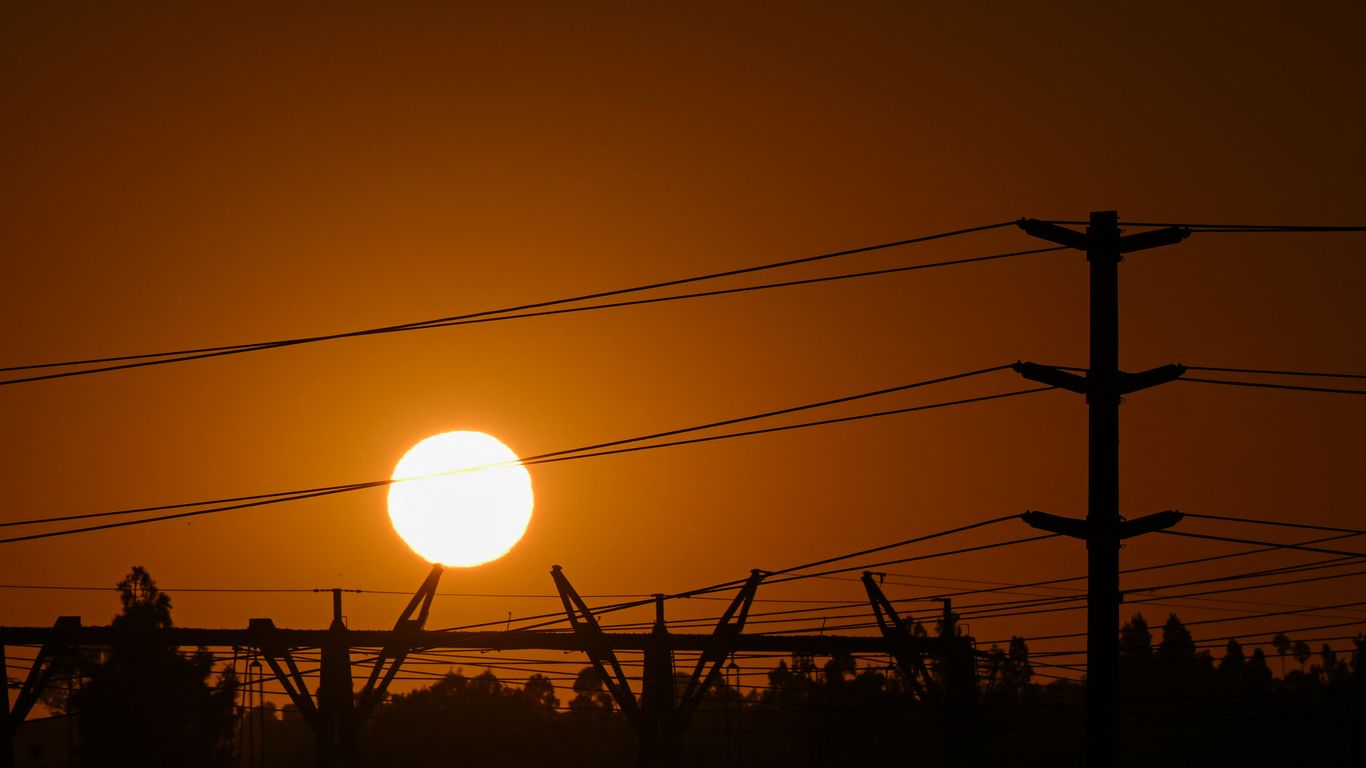
Extreme heat makes it harder for the U.S. electricity grid to work well because air conditioners and power plants become less efficient and local equipment cannot cool down at night. Solar energy and battery storage help meet high electricity demand during hot weather, but longer heat periods create new challenges for maintaining the grid’s reliability.Key Facts
- Electricity demand rises during extreme heat as air conditioners run more.
- Heat reduces the efficiency of power plants, transmission lines, and air conditioners.
- Hot nights prevent grid equipment from cooling, causing additional strain.
- Local distribution systems like transformers need time to cool but often don’t get it.
- Utilities may need to invest in backup transformers and extra equipment to prevent failures.
- Longer heat seasons shrink the periods when power plants can safely go offline for maintenance.
- California has improved grid reliability in summer by adding solar panels and battery storage.
- Cold weather also challenges the grid because electric heating increases demand when solar power is low.
Read the Full Article
This is a fact-based summary from The Actual News. Click below to read the complete story directly from the original source.