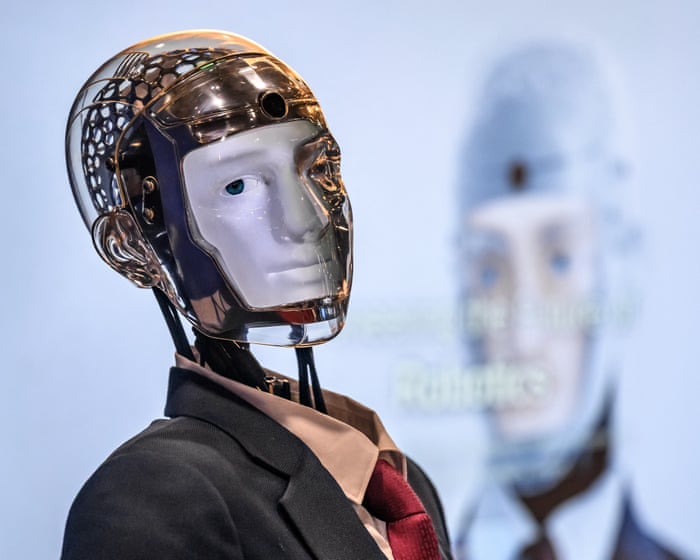
It used to be our imperfect bodies that made us insecure. With AI, it’s our minds as well
Summary
The article discusses how people sometimes feel uneasy when seeing humans who look almost perfect, similar to an idea called the "uncanny valley" seen in robots. It explains that as technology like AI improves, people may feel ashamed of their own natural minds and bodies and try to imitate machines, leading to changes in how we see ourselves.Key Facts
- The "uncanny valley" is a feeling of discomfort when something looks almost human but not quite right.
- This term was first described by a Japanese robotics professor in 1970.
- Philosopher Günther Anders predicted that humans would feel inferior to perfect, mass-produced objects and try to become more like them.
- There is a global increase in cosmetic surgery aiming for a product-like, symmetrical appearance rather than natural looks.
- The rise of AI, like ChatGPT, is making people compare their brains unfavorably with machines’ constant and flawless computing power.
- People may start to use AI more and mimic technology in how they think, speak, and act.
- This trend can increase a sense of disconnection from our natural human selves in an age of advanced technology.
Read the Full Article
This is a fact-based summary from The Actual News. Click below to read the complete story directly from the original source.