Map Reveals Regions To Be Worst-Hit by Fall Allergy Season
Summary
Many parts of the United States, especially in the East, Midwest, Southeast, and southern Rockies, are expected to have high pollen levels this fall, causing allergies. Weed pollen will be the biggest issue, with grass pollen also affecting some populated areas. Weather conditions like warmth and rain are increasing pollen growth.Key Facts
- Weed pollen will be widespread and may stay in the air until October.
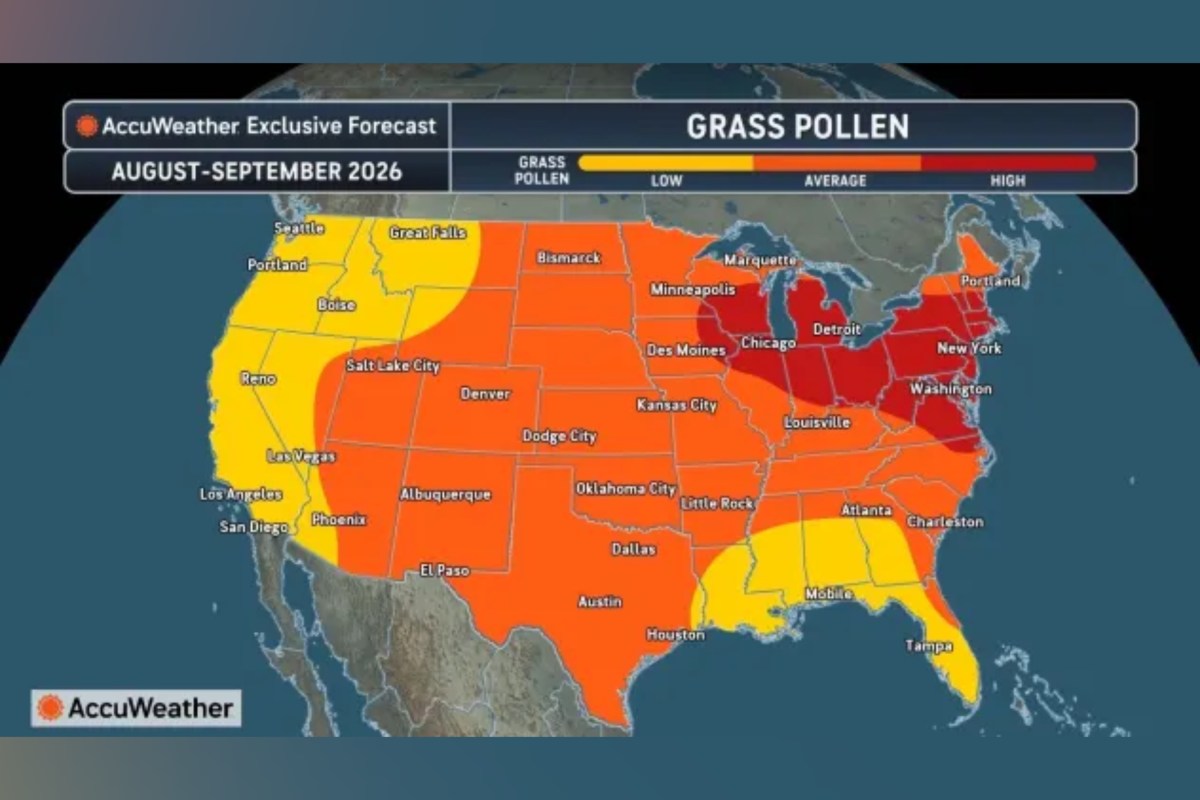
- Grass pollen levels will be high in the mid-Atlantic and Midwest, including cities like New York City, Philadelphia, Detroit, and Chicago.
- Warm temperatures and wet weather help increase pollen levels, especially in the eastern U.S.
- The West and Southeast may see less grass pollen due to drier weather.
- Rain from El Niño may promote weed growth in the Southeast and southern Rockies, including cities such as Raleigh, Nashville, Atlanta, Denver, and Salt Lake City.
- Dry weather in northern parts of the U.S. might reduce weed pollen below average in some areas.
- Pollen can cause allergy symptoms like sneezing, congestion, itchy eyes, and may worsen asthma.
- The CDC recommends checking pollen forecasts, taking prescribed medicine, showering after being outdoors, closing windows, and using air filters to reduce allergy symptoms.
Read the Full Article
This is a fact-based summary from The Actual News. Click below to read the complete story directly from the original source.