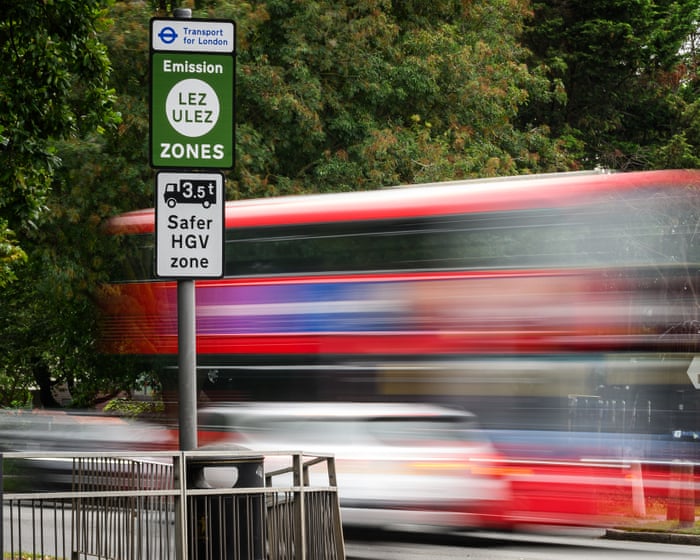
London’s low emission zone is working – so why are cities around the world so cautious about clean air?
Summary
London’s low emission zone (Ulez), which charges fees to polluting vehicles, has improved air quality and children's lung health since its introduction in 2019. Despite clear health benefits, many cities worldwide hesitate to adopt similar policies because of political opposition and different pollution causes.Key Facts
- London introduced the ultra-low emission zone (Ulez) in 2019, expanding it in 2021 and 2023.
- Ulez charges £12.50 daily for vehicles that emit high pollution levels.
- The Ulez has significantly reduced nitrogen dioxide, a harmful air pollutant.
- A study found children's lungs in London have grown stronger since Ulez started.
- Air pollution causes millions of deaths yearly and contributes to many health problems, including heart disease, stroke, cancer, and developmental issues.
- Different regions have varied air pollution sources, such as coal in China and India and agricultural burning in Southeast Asia.
- Effective technology and policies exist to reduce pollution, including renewable energy, electric vehicles, public transport, and city redesign.
- Political resistance and cultural factors slow the adoption of clean air policies in many cities.
Read the Full Article
This is a fact-based summary from The Actual News. Click below to read the complete story directly from the original source.


