Volcanoes that made history
Summary
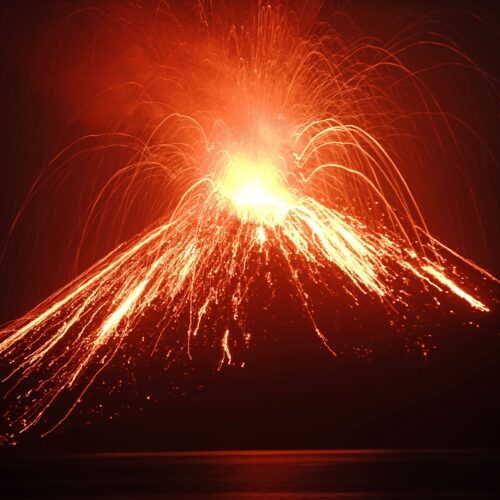
In 1883, the Krakatau volcano erupted, destroying islands and killing over 36,000 people mainly through tsunamis. This eruption was the first globally reported natural disaster in near real time and helped scientists understand how volcanic eruptions can affect climate and human history.Key Facts
- Krakatau erupted on August 27, 1883, destroying two islands and most of a third between Java and Sumatra.
- More than 36,000 people died, mostly from tsunamis caused by the explosion.
- Early telegraph wires allowed news of the eruption to spread quickly around the world.
- Volcanic particles from Krakatau affected the atmosphere and caused colorful sunsets worldwide.
- Sulfur released by the volcano formed aerosols that reflected sunlight and cooled the Northern Hemisphere by about 0.6°C (1.1°F) in summer.
- Scientists today use evidence from eruptions like Krakatau to study how volcanic activity may have influenced historical events such as famines and social unrest.
- Ice cores from Greenland and Antarctica help identify the timing of ancient eruptions by detecting sulfur and ash deposits.
- The year 536 shows signs of a major volcanic eruption linked to unusual weather and societal challenges at that time.
Read the Full Article
This is a fact-based summary from The Actual News. Click below to read the complete story directly from the original source.