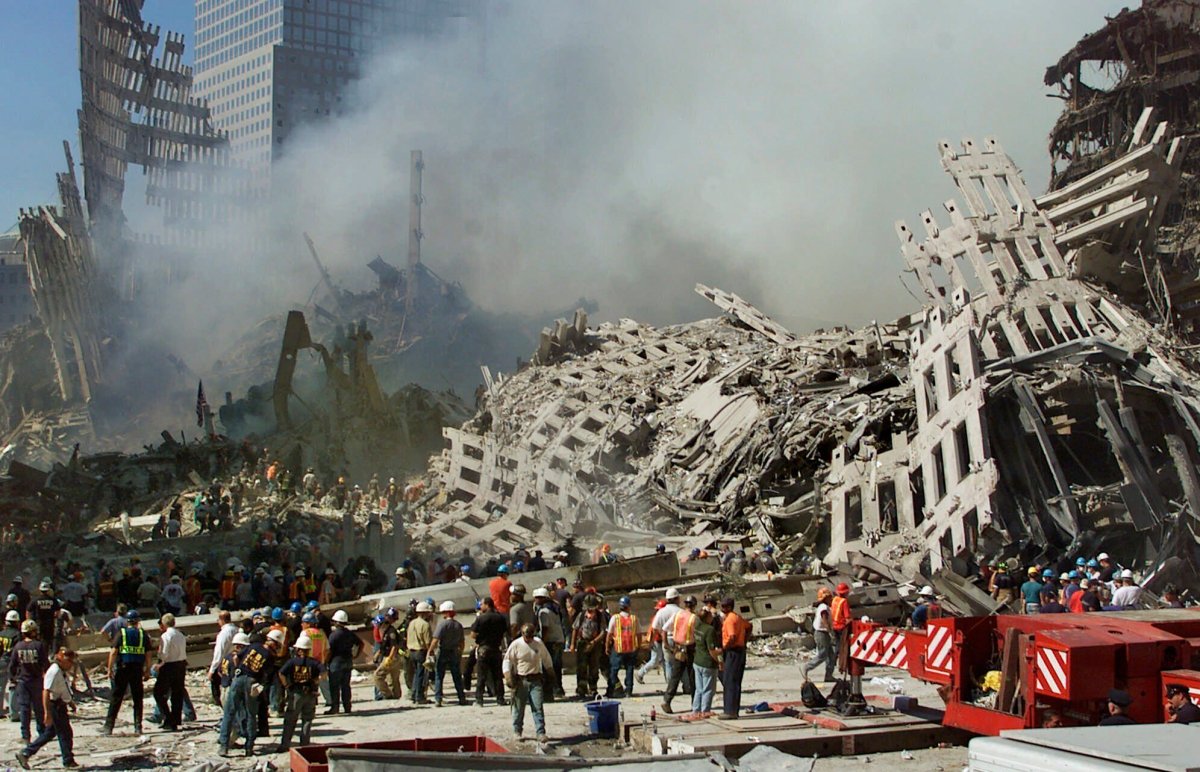
9/11 Victim Identified 25 Years After Attacks Using Family DNA: Here's How
Summary
A victim of the September 11, 2001 attacks has been identified nearly 25 years later using a new forensic technique that combines DNA testing with family tree research. This is the first time this method, called forensic investigative genetic genealogy, has been used to identify a 9/11 victim, and officials hope it will help identify more victims in the future.Key Facts
- The victim’s family chose not to share her name publicly.
- This identification marks the 1,654th confirmed 9/11 victim from the World Trade Center attacks.
- About 1,099 victims, or 40%, from the attacks still remain unidentified.
- The new method uses DNA taken from remains and compares it with genetic data from relatives in specialized databases.
- Forensic genetic genealogy has potential to solve many unidentified human remains cases across the U.S., estimated to be between 50,000 and 75,000.
- New York City’s Office of the Chief Medical Examiner will continue trying to identify more victims using this approach.
- DNA testing has improved over time, aiding the long-term effort to identify remains from the attacks.
- Experts are currently reviewing dozens of DNA samples that may be suitable for this new identification method.
Read the Full Article
This is a fact-based summary from The Actual News. Click below to read the complete story directly from the original source.