Army to build microreactors at 5 bases as U.S. seeks to ramp up nuclear power
Summary
The U.S. Army will build small nuclear reactors called microreactors at five military bases to provide reliable power independent of the commercial electric grid. The project is part of a broader effort supported by President Trump’s administration to advance nuclear energy technology for military and civilian use.Key Facts
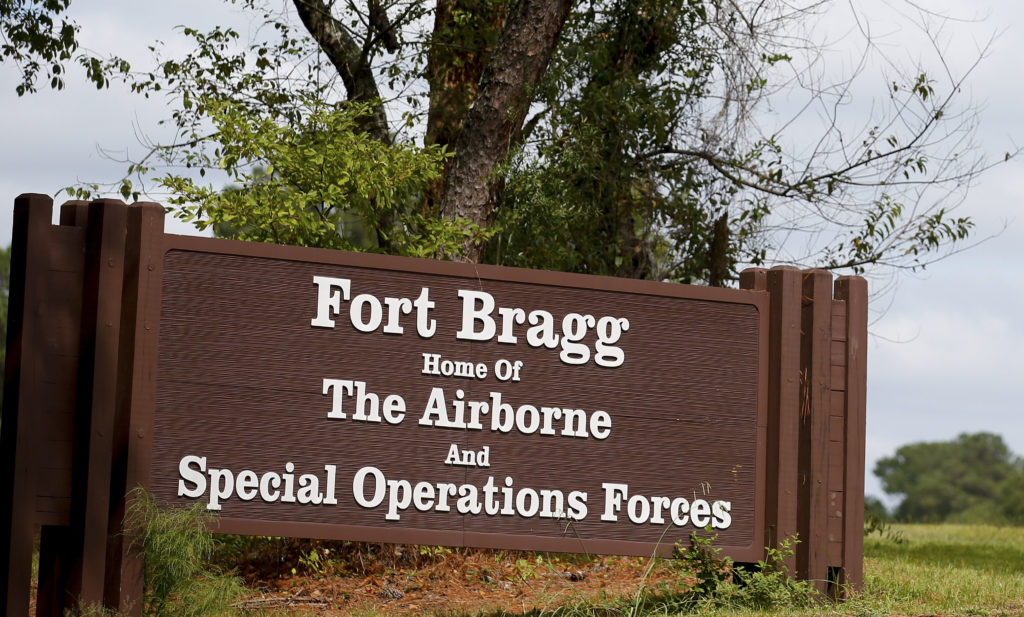
- The Army plans to install microreactors at five bases: Fort Bragg (NC), Fort Campbell (KY), Fort Hood (TX), Fort Benning (GA), and Fort Drum (NY).
- Five companies will share up to $2.2 billion over five years to build and operate these microreactors.
- Microreactors can run for years without needing new fuel and provide steady power even if the main electrical grid goes down.
- The Army wants to build over 20 microreactors eventually as part of its Janus Program.
- The reactors will be licensed by the Army, not the usual Nuclear Regulatory Commission, to speed up approval.
- Safety measures include automatic shutdown if something goes wrong and plans to quickly remove radioactive waste.
- President Trump signed orders in 2025 to promote nuclear power development and tasked the Army with deploying these reactors by September 2028.
- The Army aims for these microreactors to be models for both military and civilian use, not just Army-specific designs.
Read the Full Article
This is a fact-based summary from The Actual News. Click below to read the complete story directly from the original source.