Could Super El Niño Trigger More Disease Outbreaks in the US?
Summary
A strong El Niño weather pattern is likely to develop this fall and winter, bringing warmer and wetter conditions to parts of the United States. Scientists warn that these changes may increase the risk of diseases like hantavirus, West Nile virus, and foodborne illnesses in the months following winter.Key Facts
- The National Oceanic and Atmospheric Administration (NOAA) estimates there is over a 90% chance a strong El Niño will form this fall and winter.
- El Niño raises Pacific Ocean temperatures at least 2 degrees Celsius above average, affecting weather worldwide.
- Wetter and warmer conditions can help rodents and mosquitoes survive, which may increase diseases like hantavirus and West Nile virus.
- Cyclospora, a foodborne infection, usually peaks in late spring to early fall and could become more common due to El Niño.
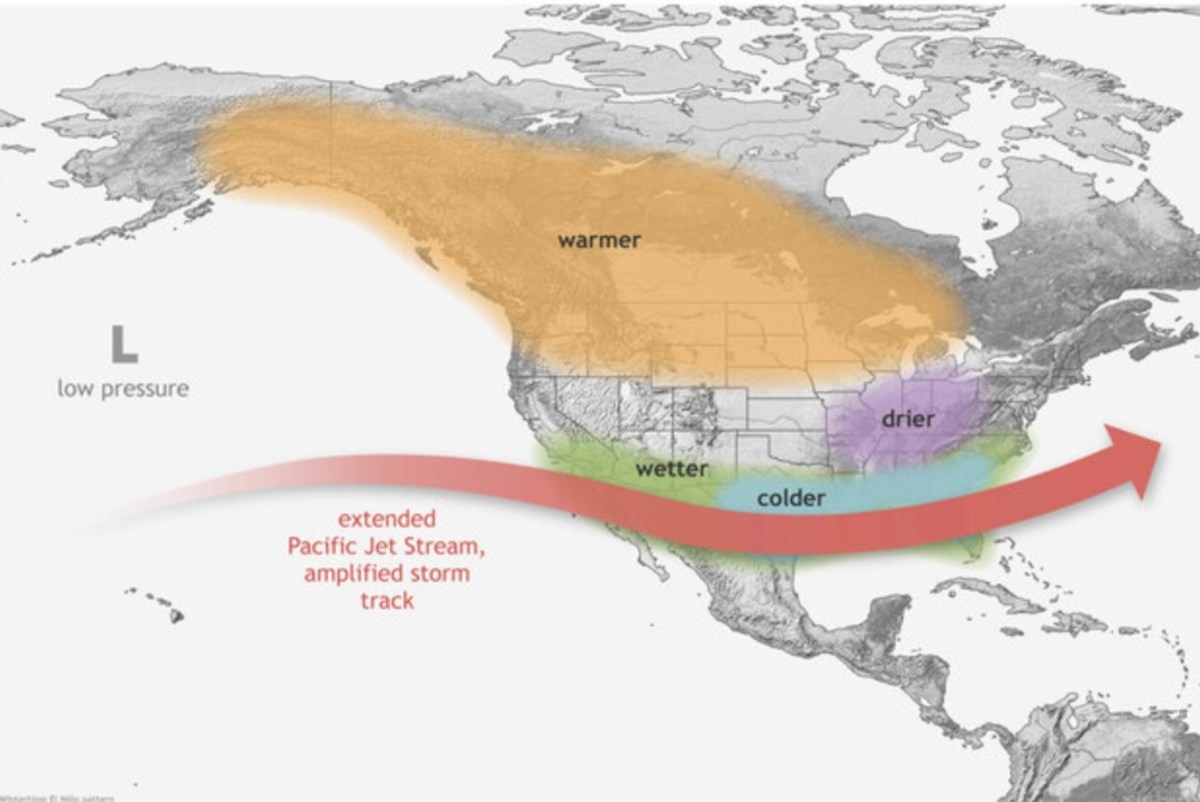
- El Niño typically causes wetter conditions in the southern U.S. and drier, warmer weather in the northern U.S.
- The Southwest and southern Rocky Mountains might see more snowfall this winter, while some northern areas may see less snow.
- These weather changes can affect ecosystems, water, and food systems, influencing how diseases spread.
- It is still too early to know exactly which U.S. regions will be most affected or the full impact of this El Niño event.
Read the Full Article
This is a fact-based summary from The Actual News. Click below to read the complete story directly from the original source.