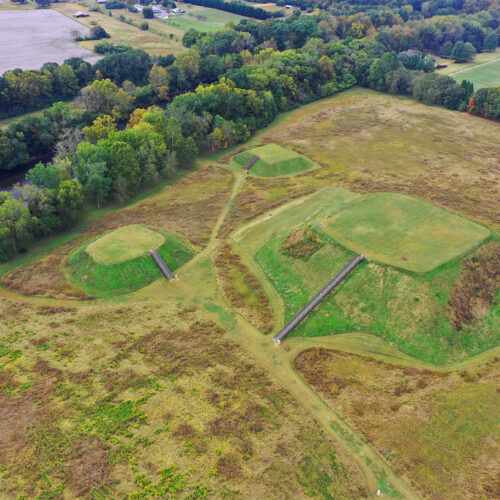
Traders brought Central American cacao to Georgia 1,000 years ago
Summary
About 1,000 years ago, people living in what is now northern Georgia used cacao from Central America in their feasts. Archaeologists found chemical traces and ancient DNA of cacao on broken pots from a site called Etowah, showing that these Indigenous people had trade routes reaching over 3,000 kilometers.Key Facts
- Archaeologists found cacao residue and DNA on ancient potsherds at Etowah, near present-day Atlanta, Georgia.
- Cacao only grows in tropical areas, meaning it had to be traded from Central America.
- The Mississippian culture built large earthen mounds at Etowah and had wide trade networks.
- The pots date back to the 11th century, during the building of Etowah’s first platform mound.
- Chemical tests showed substances typical of cacao, not just local yaupon holly tea.
- This discovery is the first proof that Etowah’s people traded with the Maya region.
- The findings suggest long-distance trade connections existed in the early days of Etowah.
- Similar cacao use was found at Chaco Canyon in New Mexico around the same time.
Read the Full Article
This is a fact-based summary from The Actual News. Click below to read the complete story directly from the original source.