Nepal flood highlights glacier risks in warming Himalayas: "The new normal"
Summary
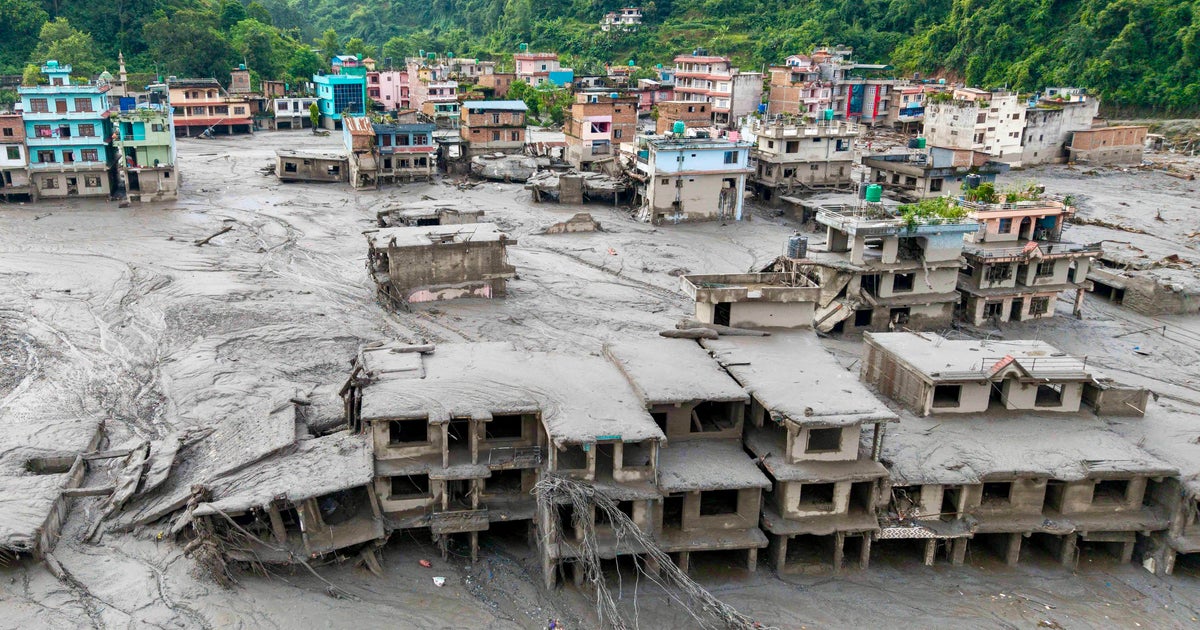
A deadly flash flood in Nepal was likely caused by a large piece of a glacier breaking off and blocking a river temporarily, which caused a sudden surge of water downstream. The disaster killed hundreds and left more than a thousand people missing, while researchers continue to study how rising temperatures in the Himalayas may increase such risks.Key Facts
- The flood occurred after a large part of a glacier fell and possibly dammed a river temporarily.
- Scientists detected a glacier collapse with a magnitude of 5.2 using seismic and satellite data.
- Hundreds of people died, and over a thousand, including foreigners and pilgrims, remain missing.
- The Himalayan region is warming faster than many other parts of the world.
- The Hindu Kush Himalaya region contains massive ice reserves and is the source of 12 rivers feeding 1.9 billion people.
- Rising temperatures due to burning fossil fuels may increase glacier melting and flood risks.
- Flood waters rose quickly—up to 9 meters (about 30 feet) in 30 minutes—giving little time to escape.
- The flood damaged homes, roads, bridges, hydropower dams, and other important infrastructure.
Read the Full Article
This is a fact-based summary from The Actual News. Click below to read the complete story directly from the original source.