How Britain’s railways are struggling in the heat – and can they be fixed?
Summary
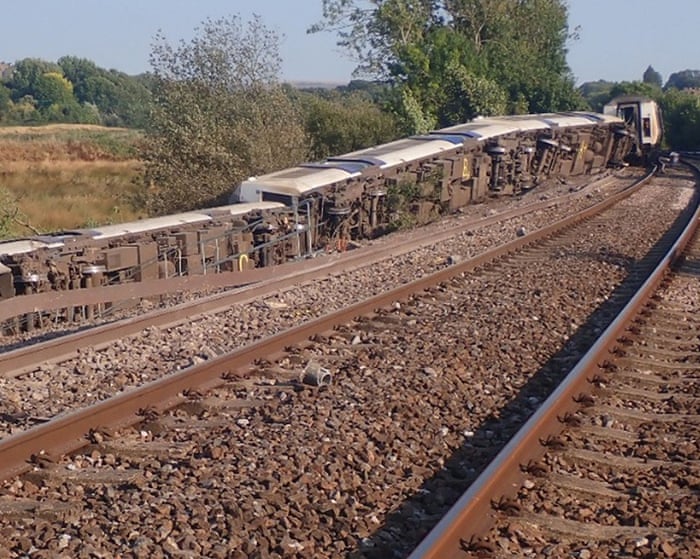
Britain's railways have faced problems this summer due to extreme heat, including two recent derailments. The heat causes steel rails to expand and sometimes buckle, damaging tracks and disrupting train services. The railway system was built for cooler and wetter conditions, and experts are looking at ways to adapt it to hotter weather.Key Facts
- Two recent derailments happened in East Sussex and Essex, one causing 30 injuries.
- This summer in Britain was one of the hottest and driest on record, with heatwaves and droughts affecting England and Wales.
- Steel rails expand when heated, which can cause them to buckle if they cannot move freely.
- The UK railway tracks are made to handle up to about 46°C rail temperature but have been recorded as hot as 51°C.
- Soil drying under the tracks can cause the ground to shrink and settle unevenly, damaging track stability.
- Rails are pre-stressed during installation to reduce buckling risk, with a stress-free air temperature set at 27°C in the UK.
- Hotter countries like Australia, the US, and southern Europe set a higher stress-free air temperature for rails, because they have warmer winters.
- Re-stressing rails seasonally might help adjust to varying temperatures but is not currently practiced widely.
Read the Full Article
This is a fact-based summary from The Actual News. Click below to read the complete story directly from the original source.