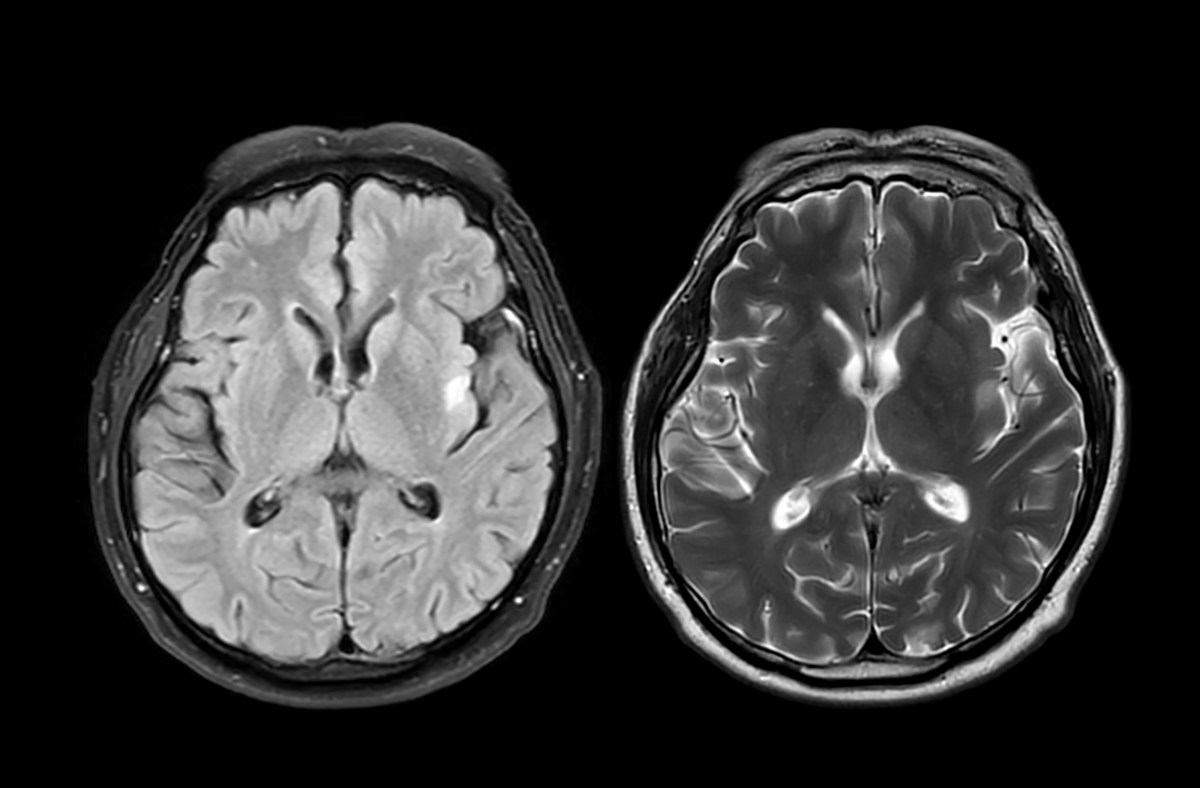
Brain Shrinkage Could Act as a 'Timer' for Early-Onset Dementia
Summary
A new brain scan tool can measure shrinkage in areas related to thinking and memory to help predict how quickly people with early-onset Alzheimer’s disease might move from mild cognitive problems to full dementia. The tool uses MRI scans to focus on eight brain regions and gives a score that shows how much the brain is shrinking, which helps doctors estimate disease progression.Key Facts
- Early-onset Alzheimer’s disease happens before age 65 and often starts with mild cognitive impairment (MCI).
- The new tool looks at shrinkage in eight parts of the brain involved in memory and thinking.
- Researchers studied 130 people with MCI and 97 healthy people aged 40 to 64 over about two years.
- About 65% of those with early-onset Alzheimer’s progressed from MCI to dementia during the study.
- More brain shrinkage was linked to faster progression from MCI to dementia.
- The tool predicted disease progression better than just looking at symptoms.
- This biomarker could help doctors and families plan for the future and decide when to join clinical trials.
- Experts say such tools can improve communication but should not be seen as exact predictions.
Read the Full Article
This is a fact-based summary from The Actual News. Click below to read the complete story directly from the original source.