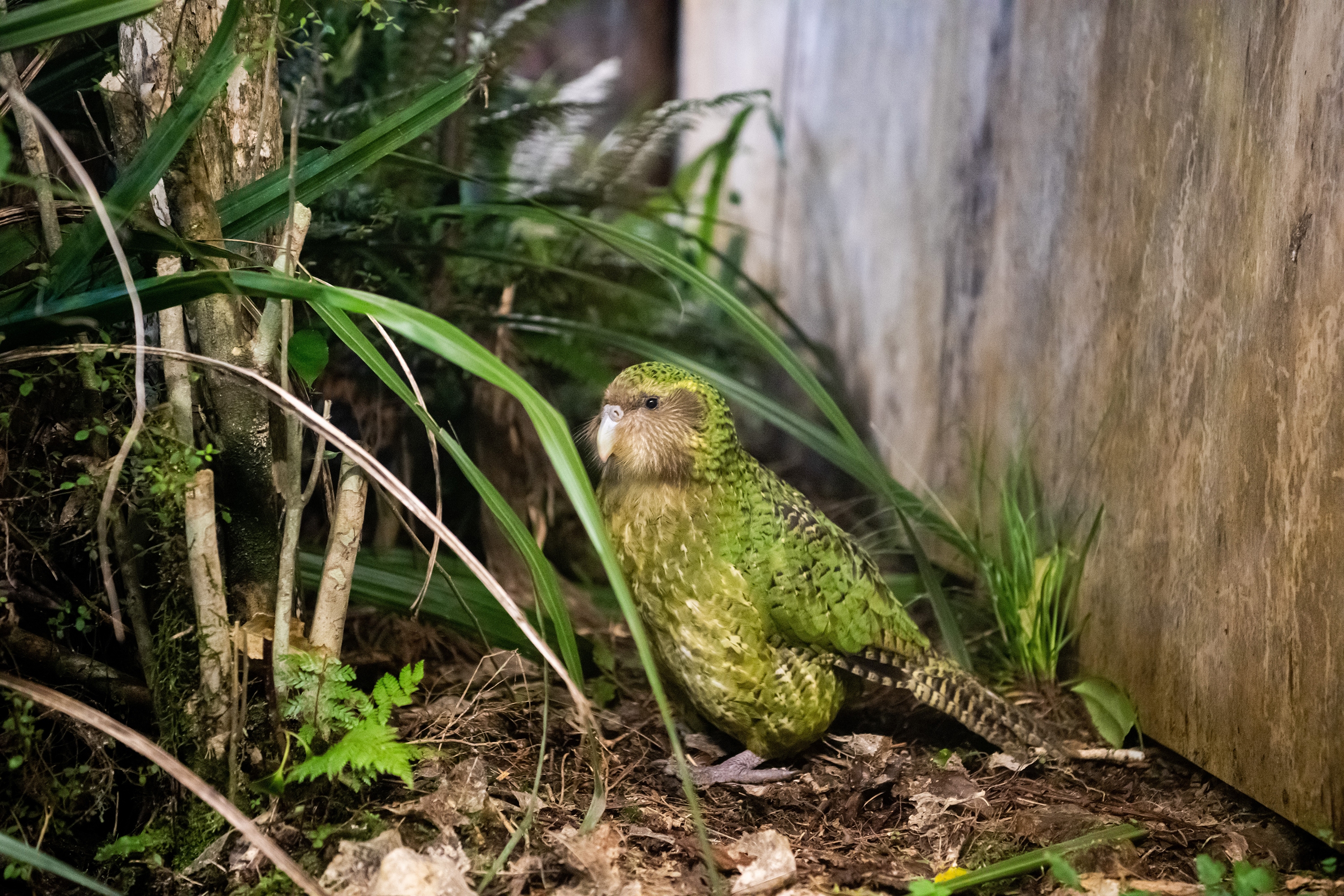
To save its unique and rare birds, New Zealand is turning to AI and genetic research
Summary
New Zealand is using technology like artificial intelligence and genetic research to protect its rare and flightless birds, including the kākāpō and takahē. The country aims to eliminate invasive predators, an effort that is part of a large conservation project intended to secure the future of these birds.Key Facts
- New Zealand's kākāpō is a flightless parrot and one of the heaviest in the world.
- The takahē is another flightless bird with distinctive red and blue feathers.
- Humans brought mammals to New Zealand, which became predators to these flightless birds.
- Over 80% of New Zealand's native birds are currently at risk.
- New Zealand aims to eliminate invasive species like rats, stoats, and weasels by 2050.
- The project could be the largest invasive species removal effort globally, costing over $100 million annually.
- New technology, including AI-driven traps and genetic research, is being tested to help the conservation effort.
- Experts acknowledge that complete eradication might not be possible, but new tools will enhance wildlife protection.
Read the Full Article
This is a fact-based summary from The Actual News. Click below to read the complete story directly from the original source.