What should we do with Trump’s monstrous architectural legacy? | Jan-Werner Müller
Summary
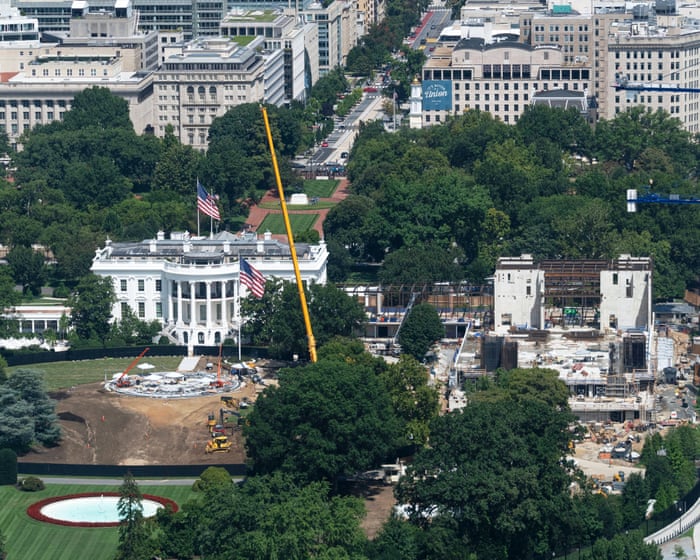
The U.S. Supreme Court allowed construction of President Donald Trump’s new ballroom near the White House to continue by blocking a lawsuit from preservationists, without ruling on the legality of the project itself. This decision raises questions about the impact of Trump’s building projects on Washington DC’s landscape and how future administrations will handle his architectural legacy.Key Facts
- The Supreme Court stopped a lower court’s order to halt construction on Trump’s ballroom near the White House.
- The court did not decide if the construction project was legal, only ruled on the preservationists’ right to block it.
- The solicitor general said about 65% of the ballroom project is done.
- Chief Justice John Roberts dissented, saying those in charge violated rules about what can be built at the People’s House.
- The ballroom symbolizes elements of Trump’s rule, such as alleged corruption and disregard for preservation rules.
- Some Democrats suggest removing or selling Trump’s buildings to distance from his administration’s legacy.
- Others, like Governor Gavin Newsom, prefer leaving the structures intact and focusing on building rather than destroying.
- The debate relates to how monuments and buildings reflect political values and historical memory.
Read the Full Article
This is a fact-based summary from The Actual News. Click below to read the complete story directly from the original source.