Summary
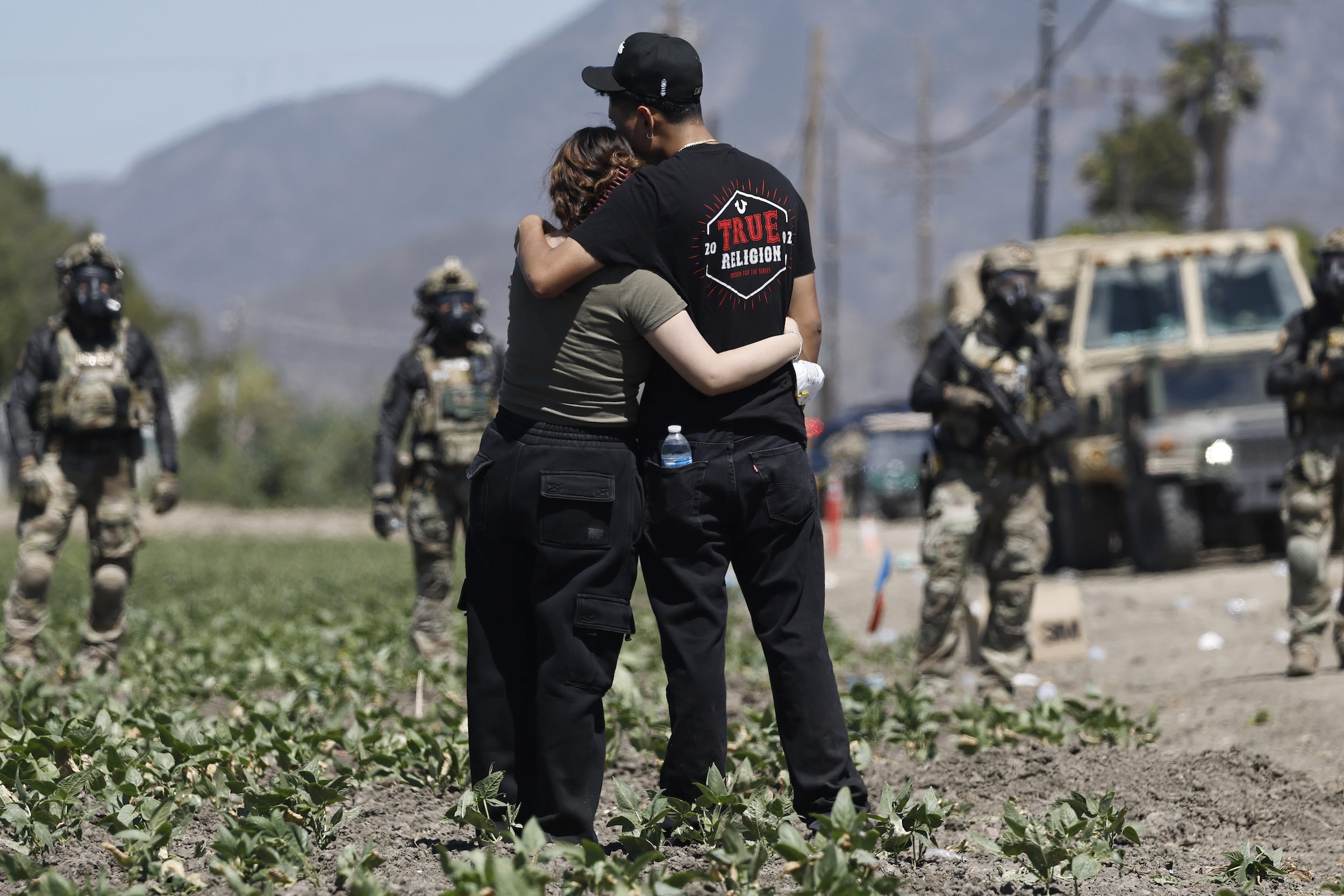
Recent enforcement actions on immigration in the U.S. are affecting small businesses, especially those in sectors like agriculture, construction, and technology that rely heavily on immigrant workers. Such actions have led to decreased availability of labor, increased costs, and disrupted local economies. These impacts extend beyond businesses, affecting community life and the overall economy.
Key Facts
- 70% of people detained by ICE (Immigration and Customs Enforcement) are non-criminals, with jobs and families in the U.S.
- About 68% of farm workers in the U.S. are immigrants, and 23% are undocumented.
- Immigration enforcement has caused significant workforce reductions in agriculture, leading to higher food prices.
- Agriculture, construction, and technology sectors are particularly affected by immigrant labor shortages.
- Nearly 20% of STEM (Science, Technology, Engineering, and Mathematics) workers in the U.S. are foreign-born.
- Immigration policies perceived as hostile can drive highly skilled workers to move abroad, impacting the U.S. economy.
- Enforcement actions have led to decreased consumer spending in immigrant communities, affecting local businesses.
- Small businesses account for nearly half of all private-sector workers in the U.S. and have been crucial in creating new jobs.