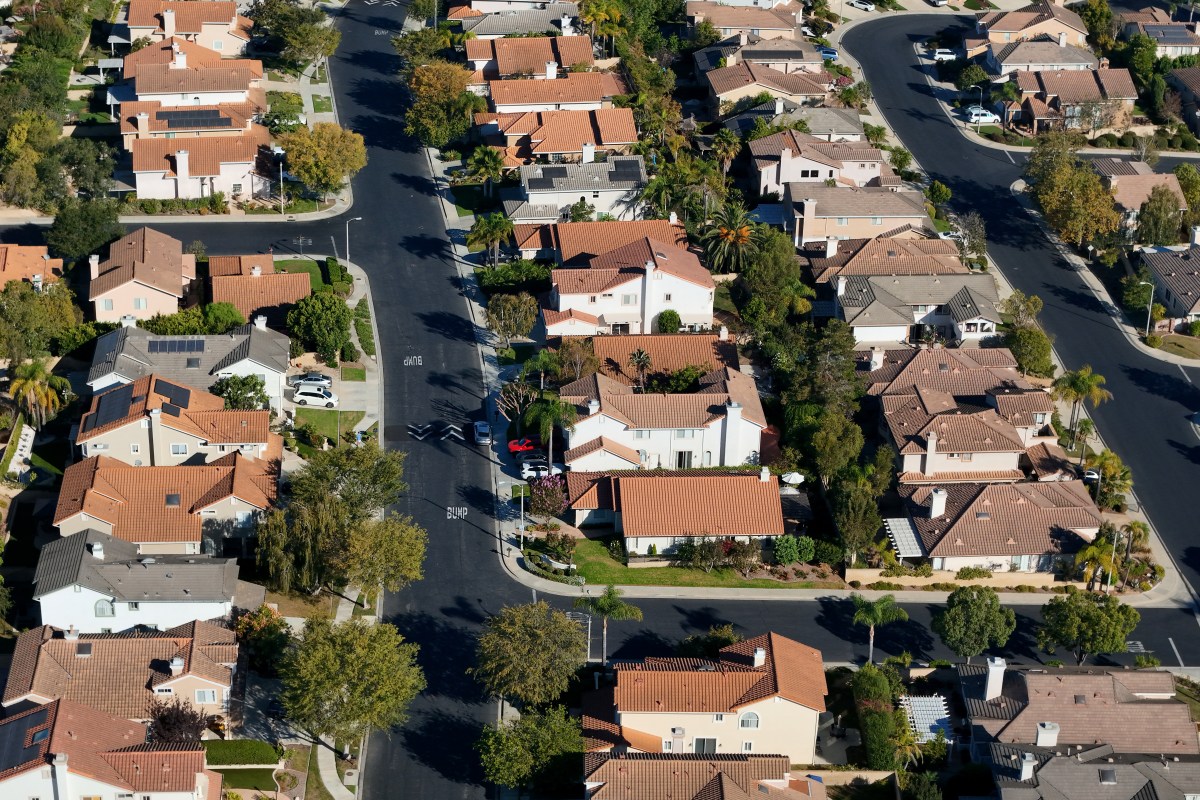
Risky Mortgages Are Back. What It Means for a Housing Market Crash
Summary
More Americans are choosing adjustable-rate mortgages (ARMs), which start with lower interest rates but can change after several years. This is happening because home prices and mortgage rates have risen, making traditional fixed-rate loans less affordable.Key Facts
- The share of people picking adjustable-rate mortgages rose to 8 percent in late August, the highest in five weeks.
- ARMs have a fixed interest rate for a set time (up to 10 years) but then change with market rates.
- The national 30-year fixed mortgage rate averaged 6.71 percent in early September, higher than a year ago.
- The median U.S. home price in July was $407,730, up 3.2 percent from the previous year.
- ARMs can help buyers with short-term plans avoid higher payments later if they sell or refinance before the rate changes.
- The increase in ARM use reflects buyers trying to afford homes amid high prices and mortgage rates, not a rise in risky lending as seen in 2008.
- Lending rules created after the 2008 financial crisis remain in place to prevent another crash.
- The current housing market is slow due to affordability problems and economic worries linked to the Middle East conflict, but experts do not expect a crash.
Read the Full Article
This is a fact-based summary from The Actual News. Click below to read the complete story directly from the original source.