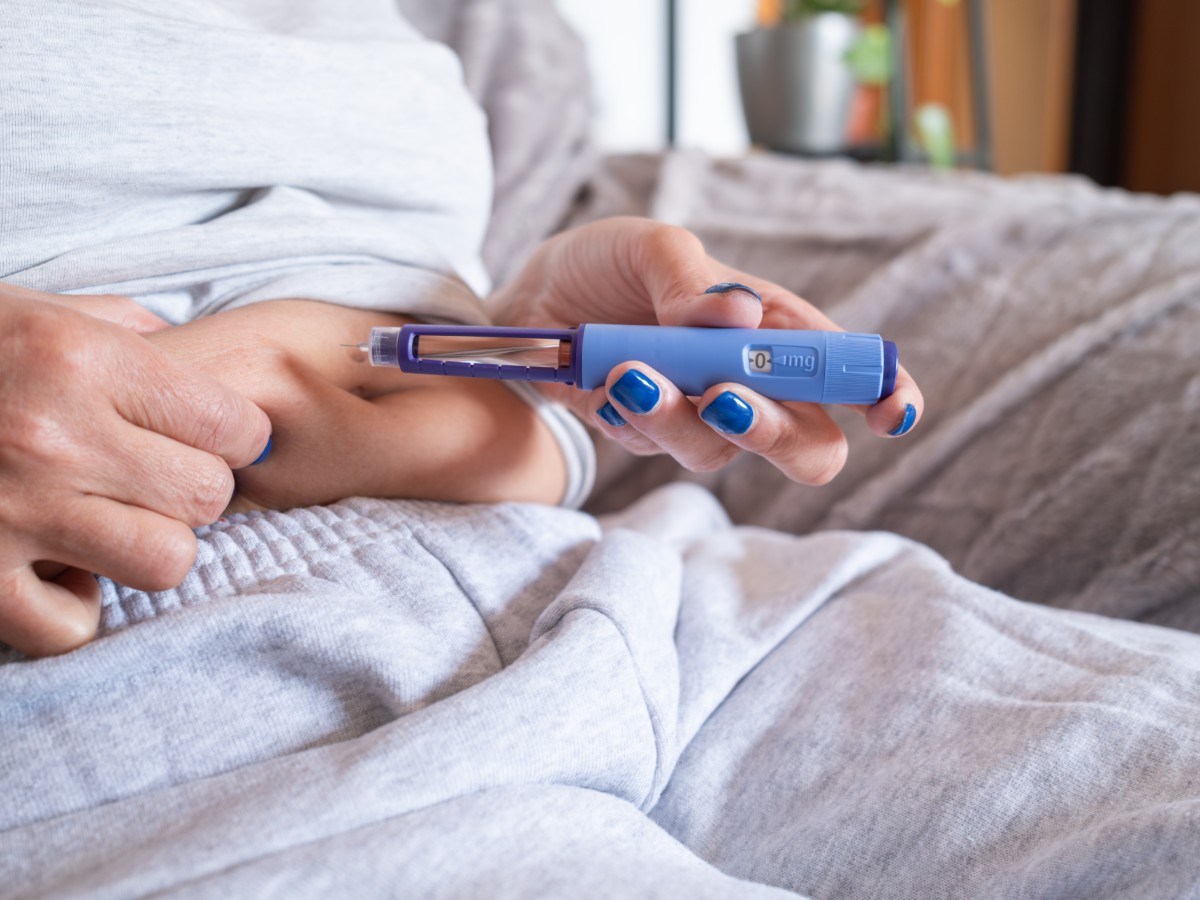
Could GLP-1 Drugs Help Us Live Longer? New Study Shows Promise
Summary
A new study from the University of California, Berkeley, found that a drug called semaglutide, which is used to treat obesity and type 2 diabetes, helped female mice live longer. The drug reduced appetite, improved body functions, and slowed signs of aging in the mice.Key Facts
- Semaglutide is a GLP-1 receptor agonist drug, commonly used for weight loss and diabetes treatment.
- The study treated 20-month-old female mice daily with semaglutide and extended their life span from 742 days to 834 days on average.
- Treated mice ate 24% less, lost weight, and showed better physical health and slower aging signs.
- GLP-1 drugs reduce hunger by mimicking a natural hormone that makes people feel full and slows digestion.
- About 1 in 8 Americans used GLP-1 drugs in March 2026, coinciding with a decline in obesity rates.
- Experts say the results in mice are promising but translating this to humans is more complex and requires safety checks.
- Some benefits might come from reducing calorie intake, improving heart health, and lowering inflammation.
- More research is needed to understand exactly how these drugs might extend life and improve health beyond weight loss.
Read the Full Article
This is a fact-based summary from The Actual News. Click below to read the complete story directly from the original source.