Farmed salmon may not be as nutritious as it once was, new research suggests
Summary
A new study shows that farmed salmon has less heart-healthy Omega-3 fatty acids than before, because the fish are now fed more plant-based oils and crops instead of smaller fish. This change may mean that current government advice on eating salmon for health benefits is not fully accurate.Key Facts
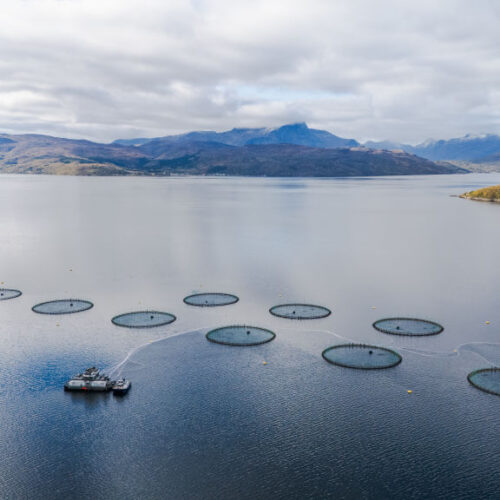
- About 70% of the world’s salmon is now farmed in pens and cages.
- The US government recommends eating fish like salmon for Omega-3 fatty acids to support heart health.
- New research found Omega-3 levels in farmed salmon have dropped significantly over time.
- This drop happened because farmed salmon diets shifted from eating small wild fish to plant-based oils and crops like soy and canola.
- Soy farming for fish feed has contributed to deforestation, especially in South America.
- The study sample size was small and authors suggest larger studies are needed to update government guidelines.
- Farmed salmon production has grown quickly, tripling between 2000 and 2020.
- Environmental concerns include pollution from fish farms and threats to wild fish and coastal ecosystems.
Read the Full Article
This is a fact-based summary from The Actual News. Click below to read the complete story directly from the original source.