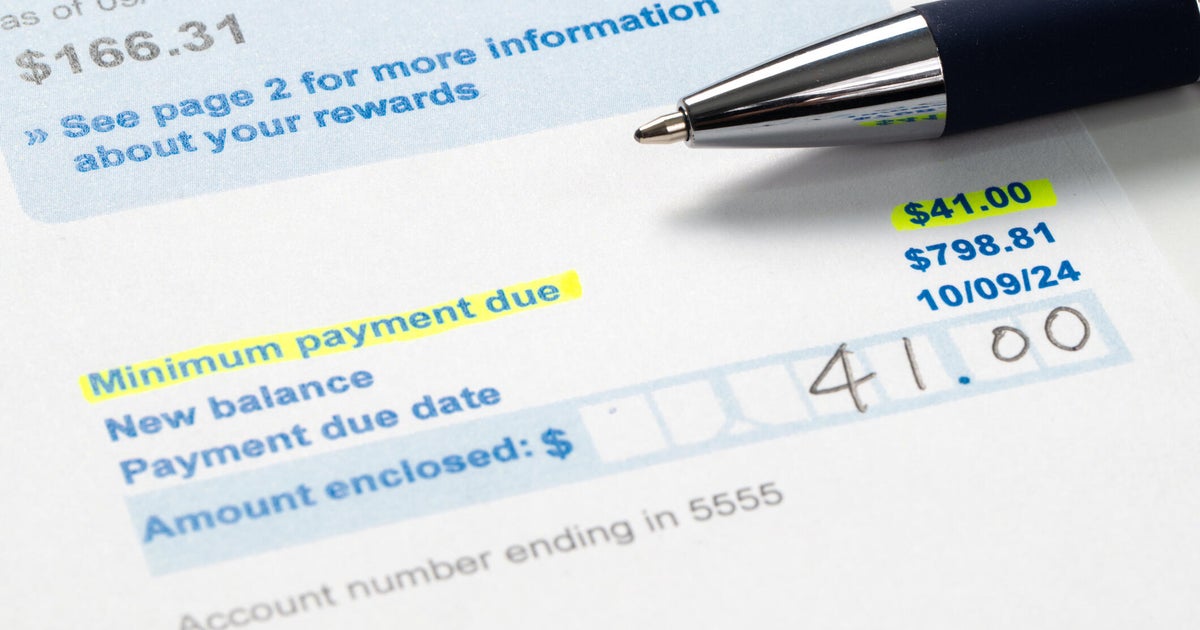
Can you negotiate a lower minimum credit card payment?
Summary
Credit card debt in the U.S. increased to $1.26 trillion in the second quarter of 2026, with an average interest rate of 22.15%. While you usually cannot just negotiate a lower minimum payment on your credit card, many issuers offer hardship programs that can temporarily reduce payments or change terms if you have financial difficulties.Key Facts
- Credit card balances rose by $21 billion in the second quarter of 2026, reaching $1.26 trillion.
- The average interest rate on credit card accounts with interest is about 22.15%.
- Minimum credit card payments are calculated based on account terms and cannot usually be negotiated simply to pay less.
- Card issuers may offer hardship or payment assistance programs for people facing financial problems.
- Hardship programs can include reduced payments, lower interest rates, waived fees, or changed repayment plans.
- Paying less than the required minimum without approval can cause late fees and hurt credit scores.
- It is important to ask for details about hardship programs, like how long reduced payments last and if interest continues to accrue.
- Consider how repayment terms will affect your total debt and long-term finances before agreeing to a hardship plan.
Read the Full Article
This is a fact-based summary from The Actual News. Click below to read the complete story directly from the original source.