Summary
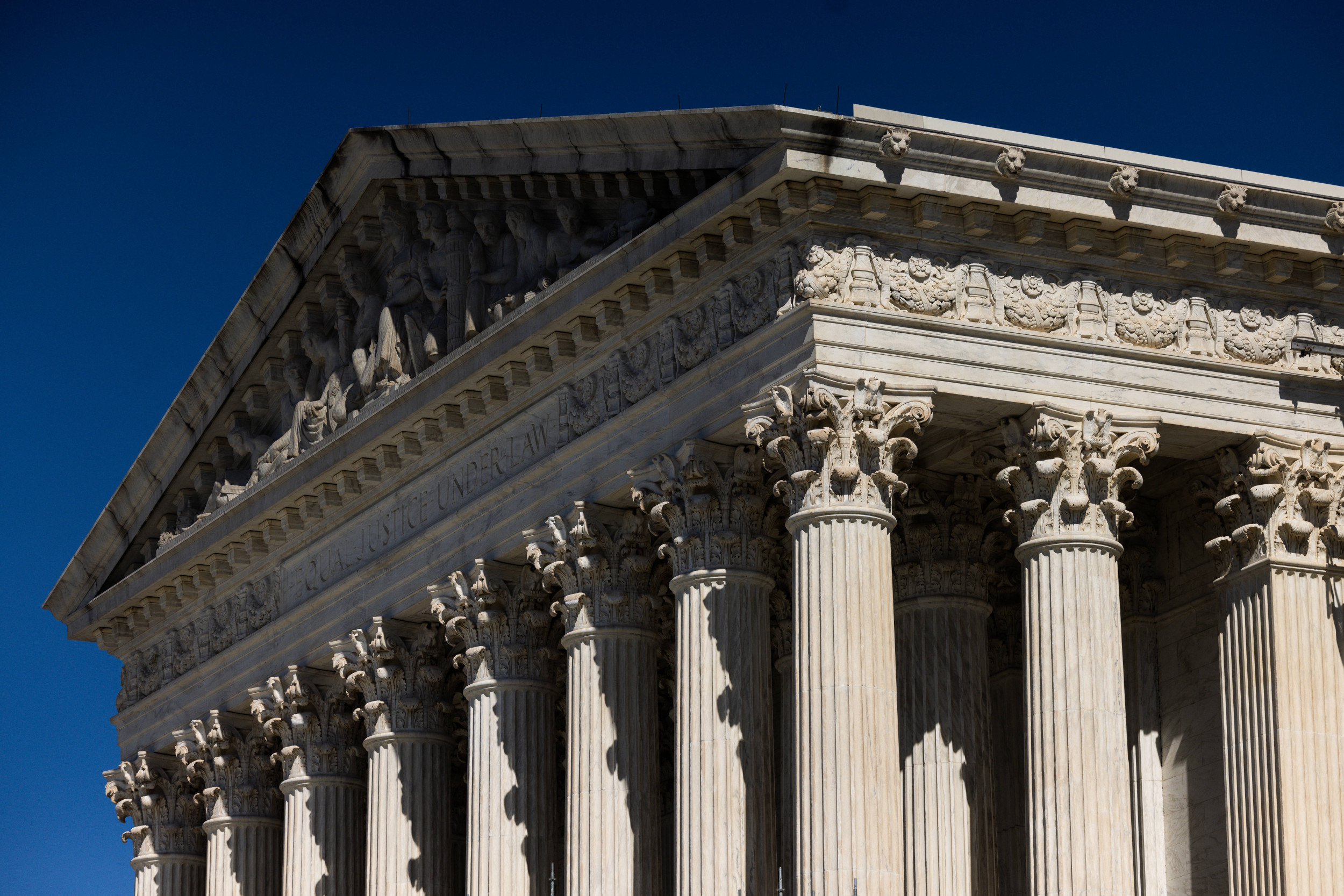
The U.S. Supreme Court is set to hear cases challenging the legality of tariffs imposed by former President Trump. Trump used executive power to set tariffs, which lower courts have said was overreach. The Supreme Court's decision could support or limit the president's authority on trade.
Key Facts
- Former President Trump imposed tariffs using executive power, bypassing Congress.
- The U.S. Supreme Court will hear oral arguments on November 5 to decide the legality of these tariffs.
- Lower courts have ruled that Trump's tariffs were an overreach of executive power.
- Trump used the International Emergency Economic Powers Act (IEEPA) to justify the tariffs.
- The tariffs raised billions in revenue and led to a trade war with countries like China.
- Opponents argue the IEEPA does not explicitly allow the president to set tariffs.
- The Supreme Court has a conservative majority, which may influence the decision.