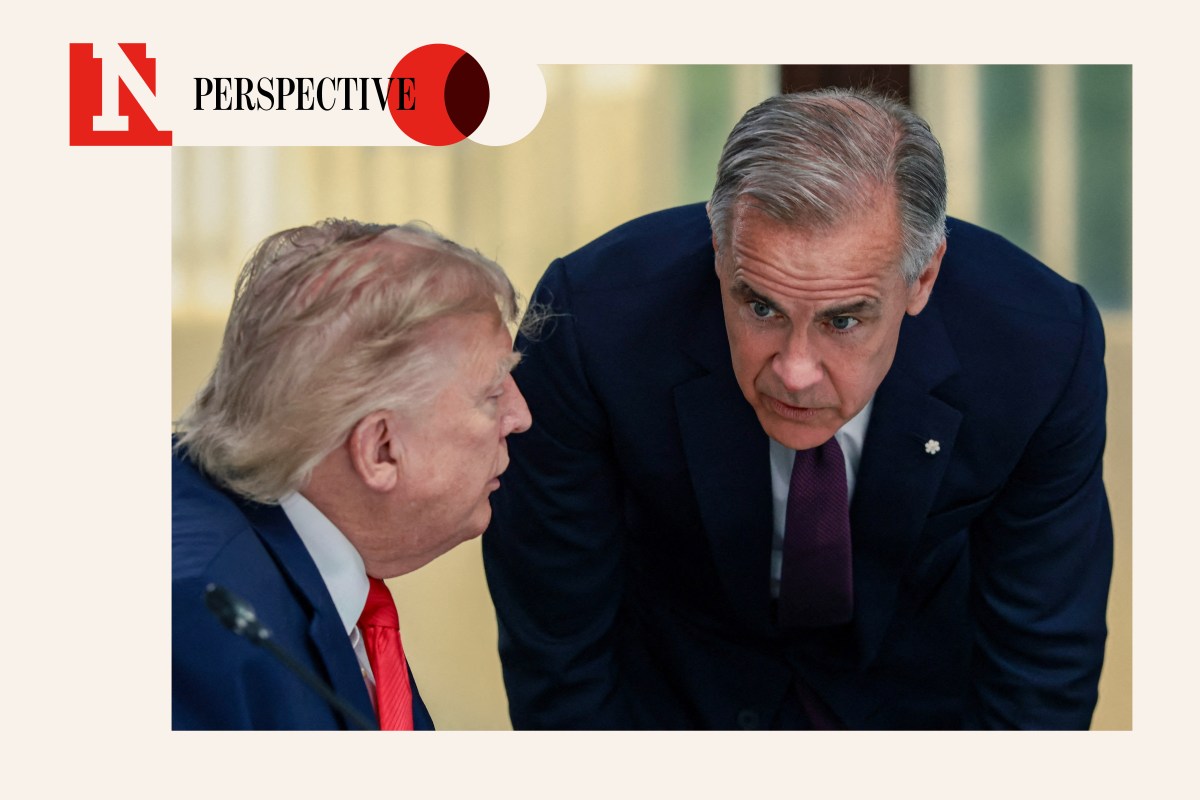
Now Everyone Is Speaking Trump's Language on Tariffs
Summary
Many countries, including Canada and members of the European Union, are adopting tariff policies similar to those supported by President Donald Trump. These policies aim to protect local industries and jobs, even if that means consumers pay higher prices. This marks a shift from previous global trade practices that focused mainly on free trade and low import costs.Key Facts
- Canadian Prime Minister Mark Carney introduced tariffs that match U.S. tariffs dollar-for-dollar to protect Canadian industries.
- Carney admitted the tariffs would increase costs and limit choices for Canadian consumers but said the trade-off was necessary.
- President Trump supports tariffs to preserve American factories, jobs, and important industries despite higher costs for consumers.
- Canada is also investing in infrastructure, domestic business support, and new export markets to strengthen its economy.
- The European Union set limits on duty-free steel imports and added a 50% tariff on excess imports to protect its steel industry.
- The EU’s tariff policy targets one specific industry, unlike the U.S., which applies tariffs broadly to many products and countries.
- This global trend shows a growing acceptance of protectionism, where governments focus on safeguarding local industries over pure free trade.
- The debate now centers on when and how strongly to protect domestic industries, rather than if protectionism should be used.
Read the Full Article
This is a fact-based summary from The Actual News. Click below to read the complete story directly from the original source.