Patient's Blood Cells Used to Create a Beating 'Mini-Heart' in Lab
Summary
Scientists have created a tiny, beating piece of heart tissue in the lab using blood cells from a patient with dilated cardiomyopathy (DCM). This "mini-heart" mimics the disease's key features and could help researchers better understand and develop treatments for this serious heart condition.Key Facts
- Dilated cardiomyopathy (DCM) is a heart disease where the heart becomes enlarged and weak, reducing its ability to pump blood.
- The disease can lead to heart failure, with a 50% risk within five years of diagnosis.
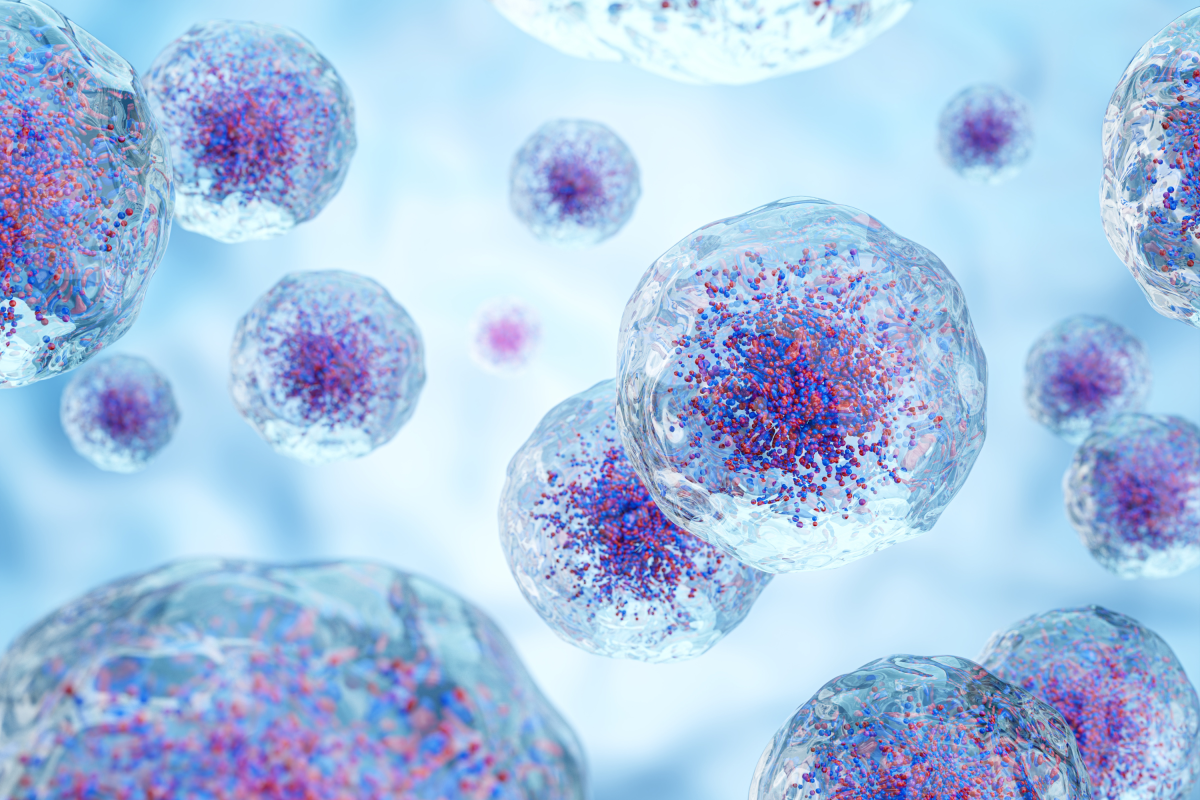
- Researchers used blood cells from a DCM patient to make induced pluripotent stem cells, which can turn into any cell type.
- These stem cells were changed into heart muscle cells called cardiomyocytes and formed into a 3D mini-heart that beats on its own.
- The mini-heart shows irregular and abnormal beats, similar to what occurs in DCM patients.
- Scientists compared the DCM mini-heart with one made from healthy cells to study differences in structure and function.
- Fluorescent beads placed in the tissue helped track heart muscle movements during beating.
- The mini-heart responded to norepinephrine, a chemical that raises heart rate, showing it behaves like a real heart under stimulation.
Read the Full Article
This is a fact-based summary from The Actual News. Click below to read the complete story directly from the original source.