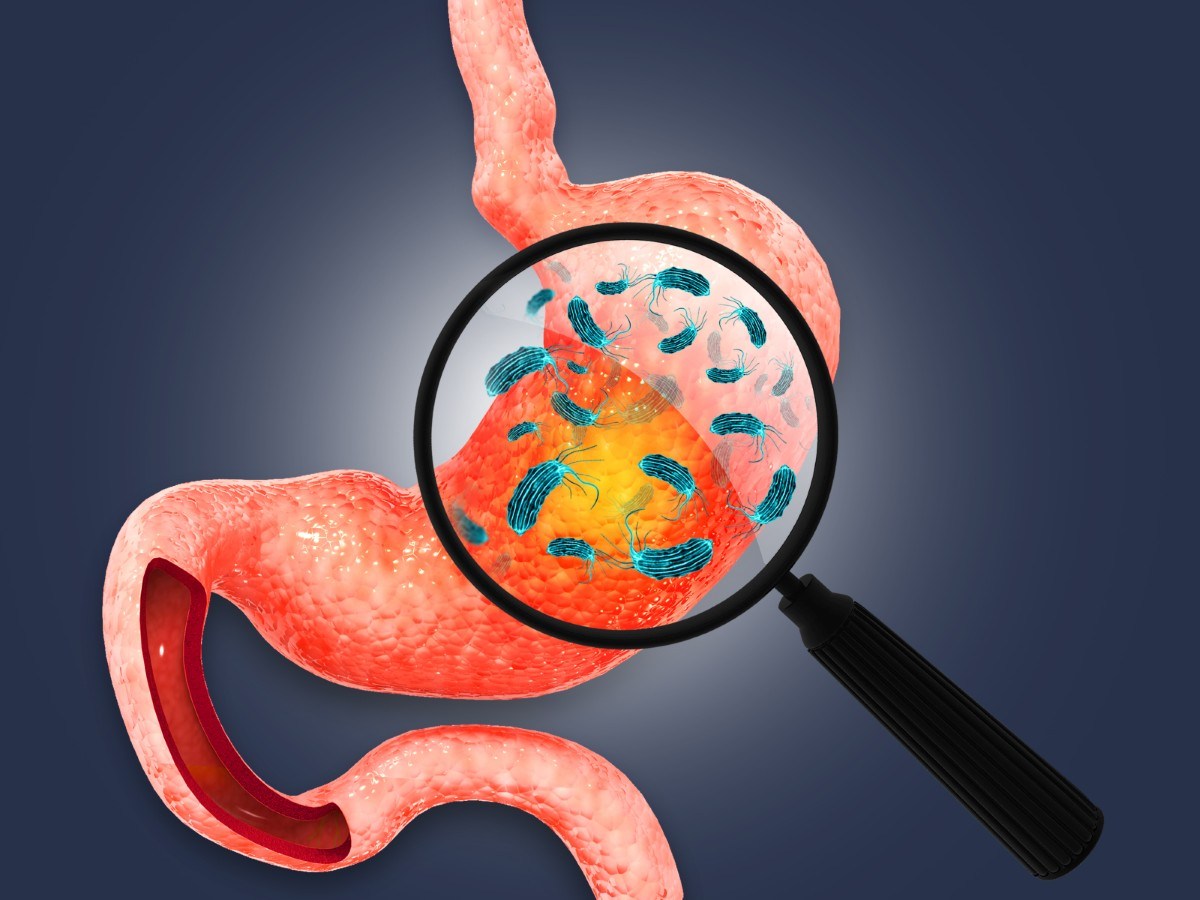
Common Stomach Bacteria Linked to Colorectal Cancer
Summary
A study found that exposure to the common stomach bacteria Helicobacter pylori (H. pylori) may increase the risk of colorectal cancer. While the bacteria is known to cause stomach cancer, researchers say more work is needed to confirm if it directly causes colorectal cancer.Key Facts
- H. pylori is a common bacteria that infects over half of the world’s population, usually during childhood.
- The bacteria can cause stomach infections that sometimes lead to ulcers and stomach cancer.
- The World Health Organization classified H. pylori as a cancer-causing agent in 1994.
- The study showed people exposed to H. pylori have about a 1.6 times higher risk of developing colorectal cancer.
- The bacteria causes chronic inflammation in the stomach, which may affect other parts of the body and contribute to cancer development.
- Colorectal cancer is the third most common cancer in the U.S. and causes over 55,000 deaths annually.
- Researchers emphasize that the study found an association but not a direct cause between H. pylori and colorectal cancer.
- The bacteria’s global prevalence is decreasing, coinciding with fewer stomach cancer cases.
Read the Full Article
This is a fact-based summary from The Actual News. Click below to read the complete story directly from the original source.