Physicist does the math on Star Trek’s “Picard maneuver”
Summary
A physicist studied a warp-speed trick called the “Picard maneuver” from Star Trek: The Next Generation and found that the show’s idea was mostly correct but a little off. Instead of two images of the spaceship appearing to the enemy, the enemy would actually see three or more images because the ship speeds up and then stops, which changes how light reaches the observer.Key Facts
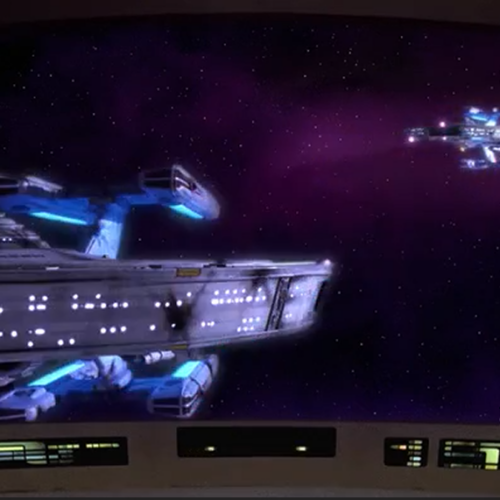
- The “Picard maneuver” is a tactic from Star Trek where a starship travels faster than light, stops suddenly, and fires at an enemy who sees multiple images of the ship.
- Níckolas de Aguiar Alves, a physicist from Brazil, noticed this trick relates to ideas in the theory of relativity.
- The show suggested that the enemy would see two images of the ship; Alves found there would actually be three or more images because of the ship’s changing speed.
- Faster-than-light travel is not possible according to current physics, but studying it helps understand related physics in other contexts.
- Light goes slower in materials like water; in some cases, particles can travel faster than light moves through those materials, which is similar to the ship’s situation in the story.
- The physicist used diagrams and math from relativity to analyze the maneuver’s visual effects.
- The Star Trek episode referenced is “The Battle” from the first season of The Next Generation.
- The maneuver is named after Captain Jean-Luc Picard, the main character in the show.
Read the Full Article
This is a fact-based summary from The Actual News. Click below to read the complete story directly from the original source.