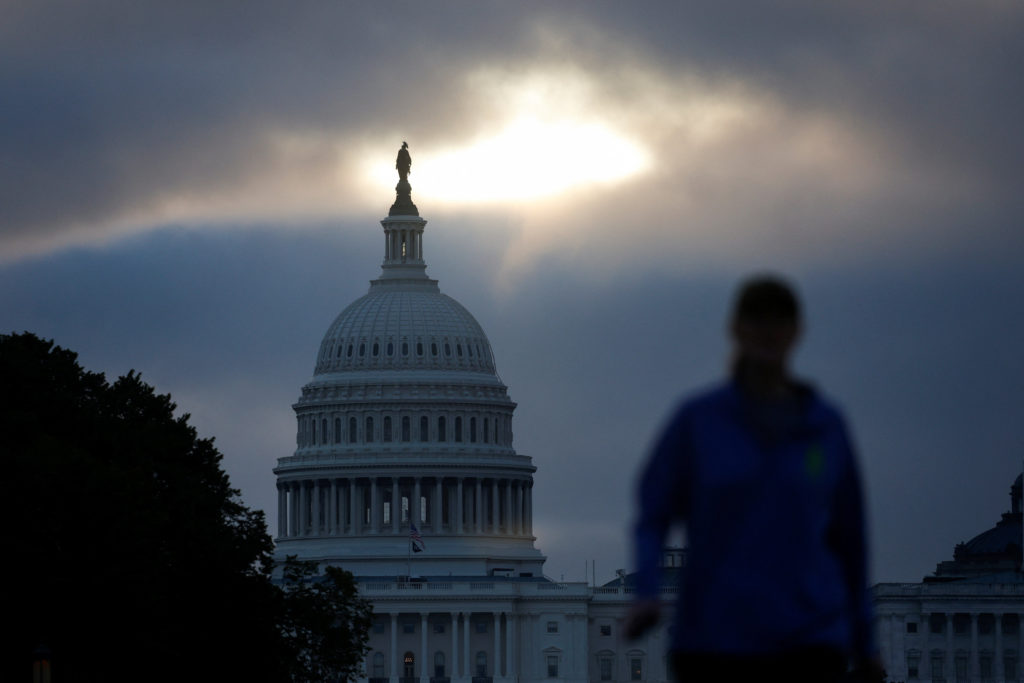
Senate rejects competing bills to fund government, increasing risk of shutdown
Summary
The Senate failed to pass bills to fund the U.S. government, raising the possibility of a government shutdown. Both parties blamed each other for the deadlock, which is mainly over spending levels and health care priorities. The House earlier passed a Republican-led bill to extend government funding for seven weeks, but it didn't find enough support in the Senate.Key Facts
- The Senate did not approve either of the proposed funding bills needed to avoid a government shutdown starting October 1.
- Democrats want to include health care measures in the funding bill, which Republicans oppose.
- The House passed a Republican bill to maintain funding for seven weeks and add security funds, but it didn't pass in the Senate.
- The Democratic bill aimed to extend health insurance subsidies and reverse Medicaid cuts.
- A government shutdown happens if funding isn't approved for federal agencies.
- Both bills failed to get the required 60 votes in the Senate.
- The Senate has a recess scheduled for next week due to the Jewish new year, Rosh Hashana.
- President Trump encouraged Republicans to support the House bill.
Read the Full Article
This is a fact-based summary from The Actual News. Click below to read the complete story directly from the original source.