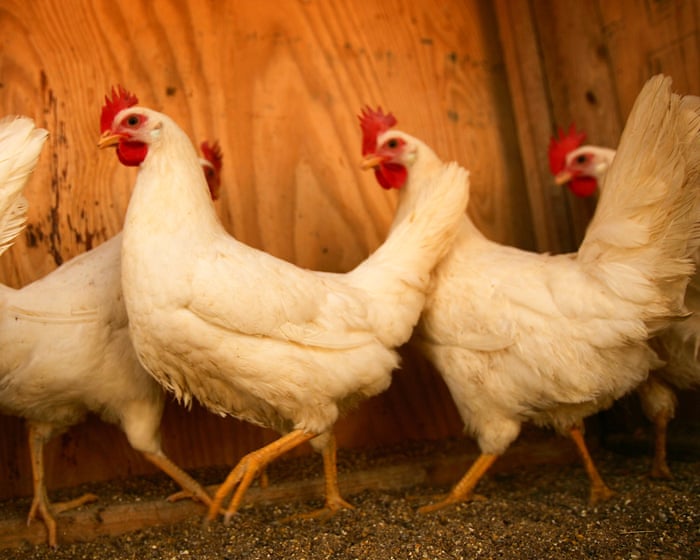
US scientists turn to chickens to sound the alarm as West Nile cases rise
Summary
US states have seen an early rise in West Nile virus cases this year, prompting Delaware to use sentinel chickens as an early warning system. These chickens help officials monitor virus activity and improve efforts to control mosquitoes and protect public health.Key Facts
- West Nile virus transmission started unusually early in some US states, with the highest early summer cases since 2004.
- Delaware uses sentinel chickens, which can show infection but do not spread the virus, to detect mosquito-borne diseases like West Nile and Eastern equine encephalitis.
- Delaware keeps four sentinel chickens at 20 locations to monitor virus presence throughout the state.
- Chickens provide precise information about localized virus activity because they stay in one place.
- It takes about a week for chickens to develop antibodies after exposure to the virus.
- Some states use mosquito pool testing as a faster method, but Delaware prefers chickens for better location accuracy.
- Data from sentinel chickens helps researchers create models to predict the severity of virus outbreaks.
- Sentinel chickens can be tested for emerging mosquito-borne illnesses if necessary.
Read the Full Article
This is a fact-based summary from The Actual News. Click below to read the complete story directly from the original source.