Deepfakes are wrecking influencers’ credibility, one fake ad at a time
Summary
Influencers like Emily Schuman are discovering fake ads using computer-made images and videos called deepfakes showing them promoting products they never agreed to. These deepfakes are made easier by new artificial intelligence (AI) tools that can create very realistic fake media, causing harm to influencers’ reputations and making it hard to control false advertising.Key Facts
- Emily Schuman found a fake ad on Instagram using an altered photo of her promoting a drug company she did not work with.
- Deepfakes are synthetic images or videos created by AI that look very real but show people doing or saying things they never did.
- Influencers are common targets because there are large amounts of images and videos of them online, which helps AI make convincing deepfakes.
- Fake ads using deepfakes can damage influencers’ businesses by hurting their credibility and trust with followers.
- The problem affects many celebrities and smaller influencers alike, with examples including Taylor Swift and Kim Kardashian among others.
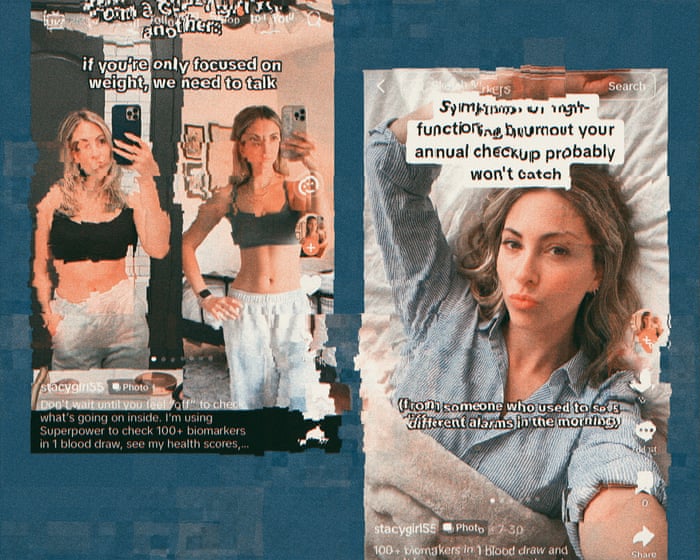
- Some companies targeted by fake ads, like the blood testing company Superpower, say scammers create these posts without their permission.
- Research estimates global losses from deepfake scams could reach $3.7 billion by 2026, with social media impersonations causing about half of the losses.
- The rise of AI technology makes it easier to produce and spread deepfake scams on a large scale, increasing the challenge to stop them.
Read the Full Article
This is a fact-based summary from The Actual News. Click below to read the complete story directly from the original source.