Dover unrest exposes serious flaws in Britain’s handling of far-right extremism
Summary
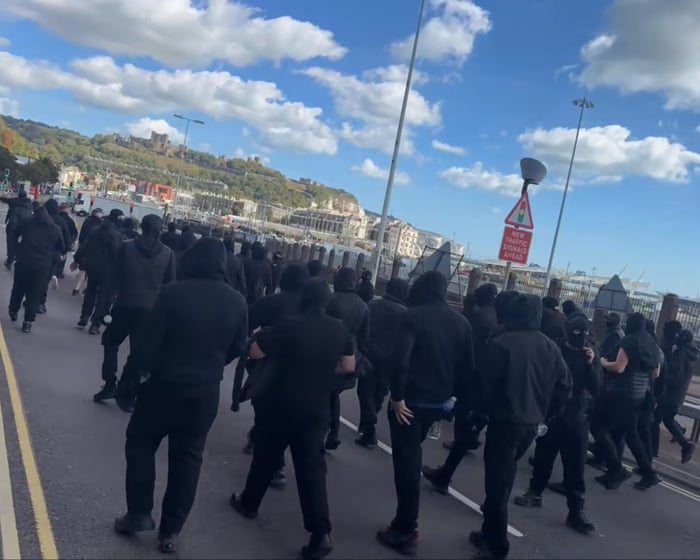
A group of masked men, linked to a far-right organization called Patriot Platform, gathered at the port of Dover in England to protest against migrant arrivals. The police and intelligence services were caught off guard, treating the event as a peaceful protest despite its intimidating nature and rhetoric against migrants. The incident highlights challenges in Britain’s current approach to monitoring far-right extremism.Key Facts
- Around early September, masked men wearing black gathered at Dover port chanting “stop the boats,” referring to migrant crossings.
- The group is connected to Patriot Platform, formed in June by far-right activist Daniel Thomas.
- Residents nearby tried to warn police about threats from this group before they arrived in Dover.
- Police described the event as a “protest” and did not make arrests at Dover, though some clashes occurred later in Portsmouth.
- The group used tactics aimed to provoke without breaking criminal laws, distributing information about legal rights to protest.
- Britain’s counter-terrorism efforts focus more on other groups, while far-right activities like this have been less aggressively policed.
- This event points to gaps in how UK authorities monitor and manage the rise of far-right activism and extremism.
- Authorities face a challenge in balancing freedom of assembly with preventing intimidation and hate-driven actions.
Read the Full Article
This is a fact-based summary from The Actual News. Click below to read the complete story directly from the original source.