Summary
The article discusses the role of the Federal Communications Commission (FCC) and whether it can revoke a TV network's license. It mentions President Trump's comments suggesting TV networks critical of him should lose their licenses and explores the FCC's authority in this area.
Key Facts
- The FCC (Federal Communications Commission) was created in 1934 to manage broadcasting frequencies for radio and TV.
- The FCC primarily regulates local TV and radio stations, but not cable or satellite TV channels or online content.
- President Trump suggested TV networks critical of him should have their licenses revoked, sparking questions about the FCC's authority.
- The FCC can influence corporate mergers by denying broadcast license transfers.
- The FCC has five commissioners, appointed by the President and confirmed by the Senate, with no more than three from the same political party.
- Current FCC Chairman Brendan Carr is a Republican, and the commission includes one Democrat.
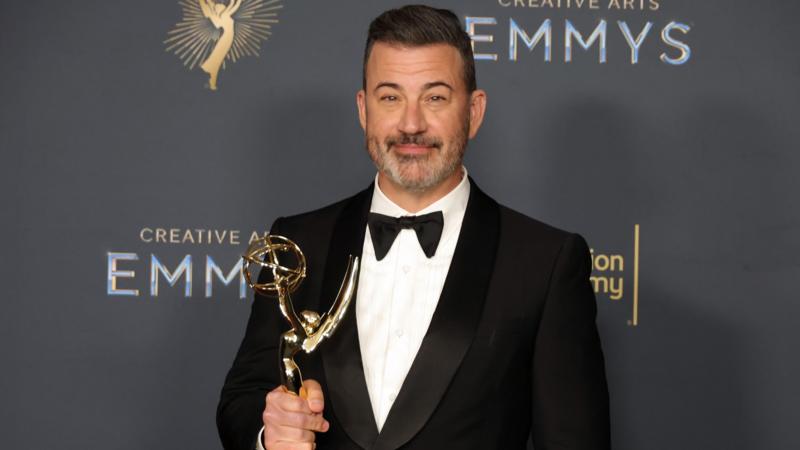
- A controversy arose when Carr suggested action against Jimmy Kimmel following his remarks about Trump.
- Two companies stopped airing Kimmel's program, and ABC confirmed the suspension of the show.