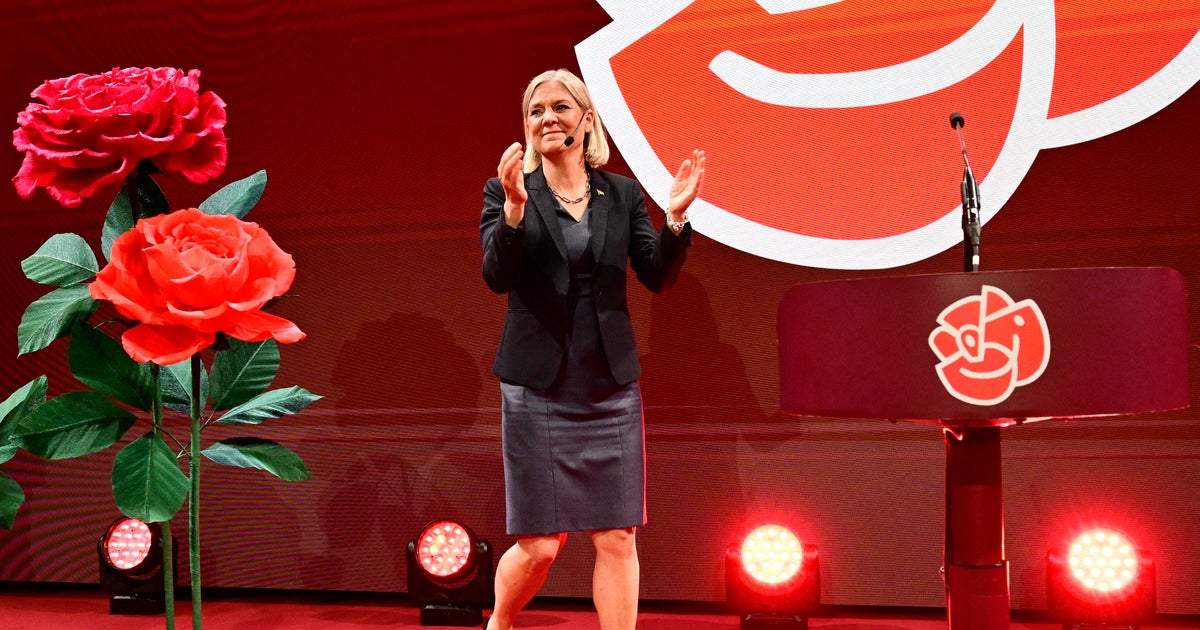
Sweden faces political uncertainty as election deals far-right a blow
Summary
Sweden's recent election results show the left-wing opposition with a small lead, but both left and right blocs face challenges forming a government. The far-right Sweden Democrats lost some support for the first time since joining parliament 16 years ago, making negotiations complex and potentially lengthy.Key Facts
- The left-wing opposition, led by Magdalena Andersson, holds a narrow lead over the right-wing bloc.
- Outgoing Prime Minister Ulf Kristersson and Andersson both plan to explore coalition talks to form a government.
- The Swedish parliament has 349 seats; the left bloc currently has a slim three-seat majority with 95% of votes counted.
- It could take weeks to finalize a coalition, with the earliest vote on a new prime minister set for September 29.
- The center party is unwilling to support a government that includes the far-right Sweden Democrats or the left bloc.
- The Sweden Democrats decreased from over 20% to 17.6% of the vote share, falling to third place.
- Political experts predict a difficult negotiation process with a risk of a new election if no agreement is reached.
- Sweden has a culture of negotiation, and most parties prefer to avoid a snap election, as they did after previous elections.
Read the Full Article
This is a fact-based summary from The Actual News. Click below to read the complete story directly from the original source.


