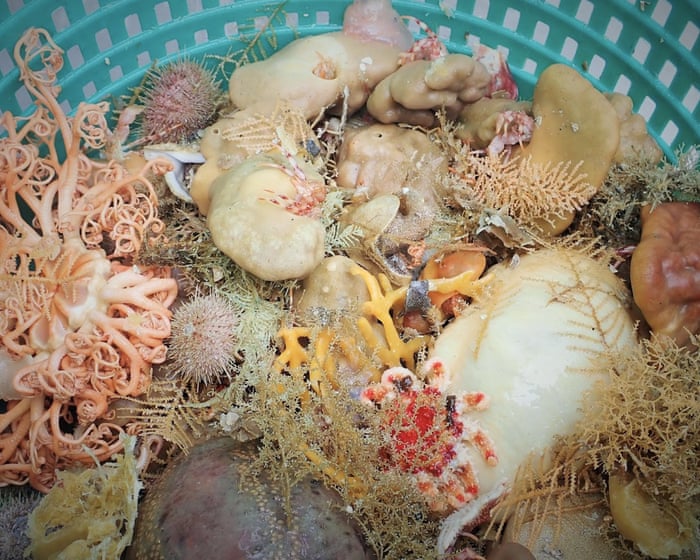
Scientists find nine new sponge species in glimpse of Alaska’s deep-sea diversity
Summary
Scientists have discovered nine new species of deep-sea sponges in the Gulf of Alaska and Aleutian Islands, bringing the total known sponge species in Alaska to 232. These sponges play important roles in the ecosystem by providing habitats for fish and crabs, but their environment faces threats from proposed deep-sea mining and bottom trawling.Key Facts
- Nine new sponge species were found in Alaska's deep-sea areas including the Gulf of Alaska and Aleutian Islands.
- The discoveries were made by analyzing samples collected during NOAA Fisheries’ bottom-trawl surveys since 2012.
- Sponges filter seawater and create habitats on the seafloor, supporting important fish and crab populations.
- Scientists use microscope structures and DNA barcodes to identify sponge species because they lack obvious physical features.
- Dense sponge communities are officially recognized as essential fish habitat by NOAA.
- Some sponge chemicals show potential for medical uses, such as cancer treatments.
- President Donald Trump has proposed expanding deep-sea mining in Alaska for minerals like nickel and copper.
- Environmental groups warn that mining and bottom trawling damage fragile seafloor habitats important for marine life.
Read the Full Article
This is a fact-based summary from The Actual News. Click below to read the complete story directly from the original source.