Unfolding the Future of Next-Generation Phone and TV Screens
Summary
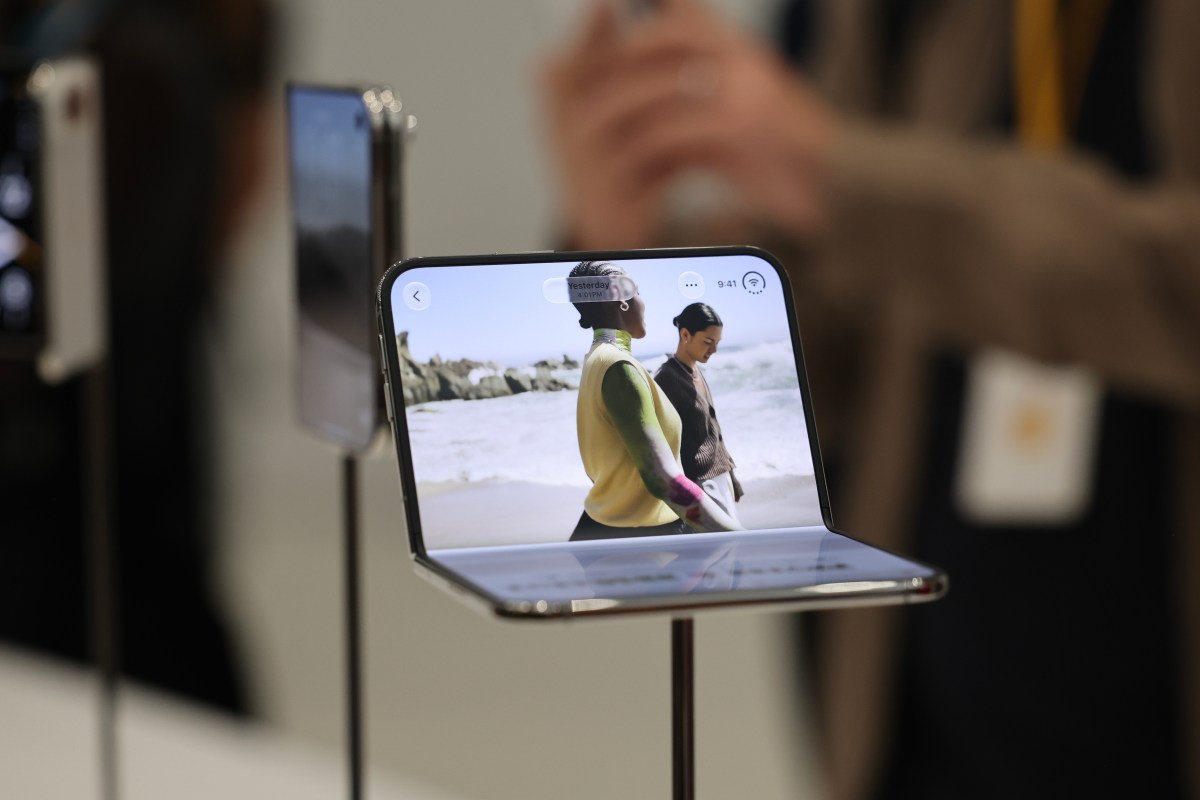
A New Mexico company, iBeam Materials, is developing a new way to make MicroLED screens that could be cheaper, brighter, and more durable than today's OLED screens. Their method uses a flexible metal foil and allows for rollable displays, which might be used in foldable phones, TVs, and advertising screens.Key Facts
- OLED screens use organic materials that emit light but can wear out quickly, especially at high brightness.
- MicroLED screens use tiny inorganic LEDs, offering better brightness, color, and longevity.
- Current MicroLED displays are very expensive and hard to make for large-scale use.
- iBeam Materials uses a roll-to-roll process with flexible metal foil to grow MicroLEDs continuously and reduce costs.
- This process could eliminate complex assembly steps required in current MicroLED manufacturing.
- MicroLED display sales are expected to grow, with revenues doubling from 2025 to 2026.
- The global market for display technology is valued between $180 billion and $200 billion annually.
- Applications for MicroLED include foldable phones, TVs, smartwatches, smart glasses, and public displays.
Read the Full Article
This is a fact-based summary from The Actual News. Click below to read the complete story directly from the original source.