‘In this new car, I feel patronised’: which driver assistance systems actually improve safety?
Summary
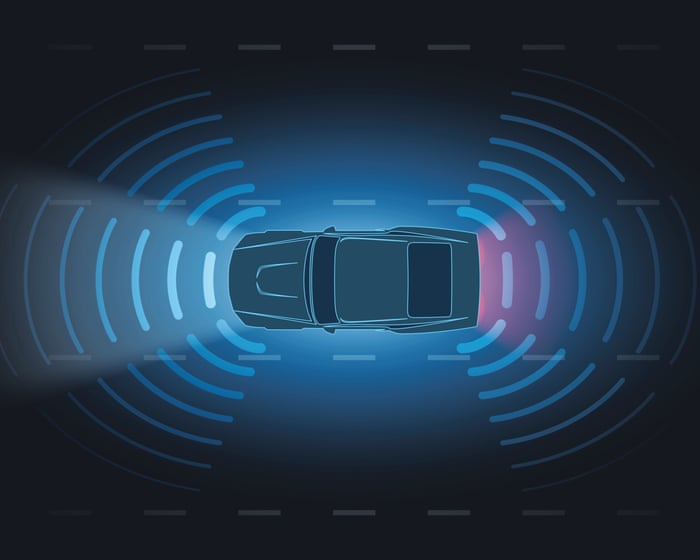
Modern cars have advanced driver-assistance systems (Adas) that help improve safety by warning drivers or taking control in risky situations. These systems have reduced road deaths but sometimes irritate drivers or give false warnings. Australia plans to require such safety technology in all passenger cars by 2029.Key Facts
- New cars often have features that alert drivers or make small corrections to keep them safe, like lane-keeping and emergency braking.
- These systems can beep or tug the steering wheel to warn drivers about lane drift or close vehicles.
- Driver monitoring technologies aim to detect fatigue or distraction to prevent crashes.
- Australia’s road death rate has dropped from 26.6 per 100,000 people in 1975 to 4.7 in 2026.
- Research shows Adas could prevent tens of thousands of serious injuries over 30 years.
- From March 1, 2029, Australia will require lane-keeping assist and autonomous emergency braking on all passenger cars sold in the country.
- Some large American pickup trucks will be exempt from this requirement.
- Some drivers find Adas intrusive or inaccurate, like false fatigue warnings or sudden braking in harmless situations.
Read the Full Article
This is a fact-based summary from The Actual News. Click below to read the complete story directly from the original source.