What a Fed rate hike could mean for mortgage rates (and what borrowers need to do now)
Summary
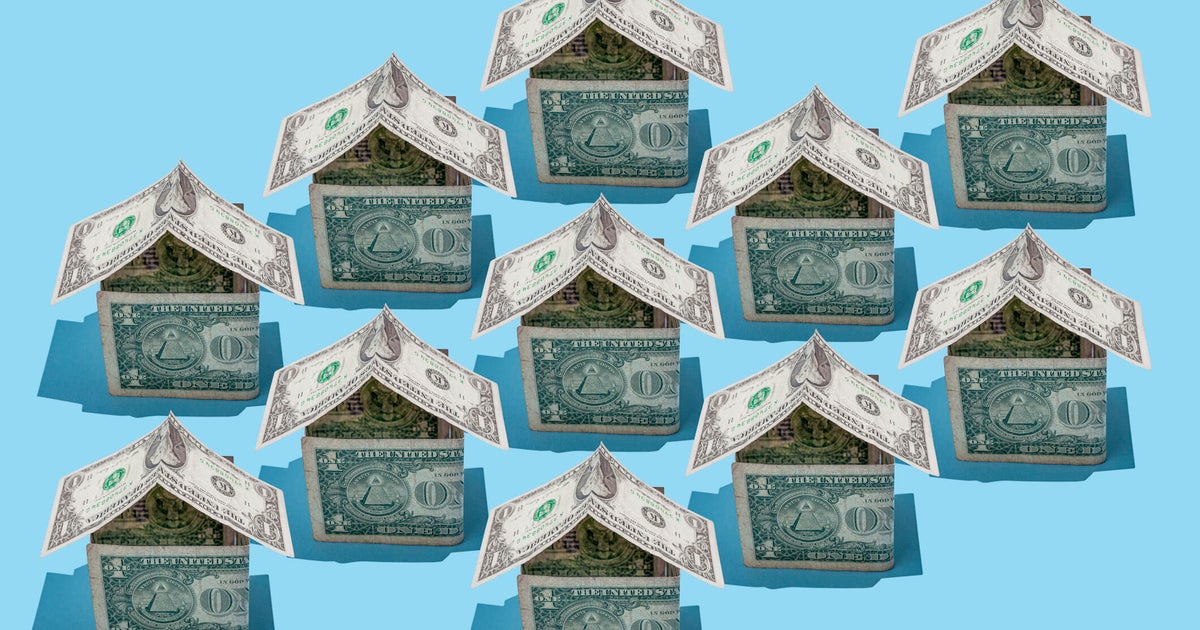
Mortgage rates have risen recently and may increase again due to a possible Federal Reserve interest rate hike. The Fed affects short-term interest rates, which can influence mortgage rates indirectly. Borrowers should watch Fed decisions but focus on controllable actions like shopping for lenders and considering locking in current rates.Key Facts
- The average 30-year fixed mortgage rate rose from about 6.43% in July to 7.43% in mid-September.
- The Federal Reserve is expected to raise its benchmark interest rate on September 16th due to ongoing inflation.
- The Fed’s rate changes affect short-term borrowing costs, not mortgage rates directly.
- Mortgage rates tend to follow longer-term bond yields, such as the 10-year Treasury yield.
- The 10-year Treasury yield increased from 4.80% to 4.96% between September 8 and 11.
- If the Fed signals more rate hikes, mortgage rates could rise, but a hike is not guaranteed to raise mortgage rates immediately.
- Borrowers should compare multiple mortgage offers to find better rates or terms.
- Locking in a mortgage rate may help protect against future rate increases if borrowers are ready to move forward.
Read the Full Article
This is a fact-based summary from The Actual News. Click below to read the complete story directly from the original source.