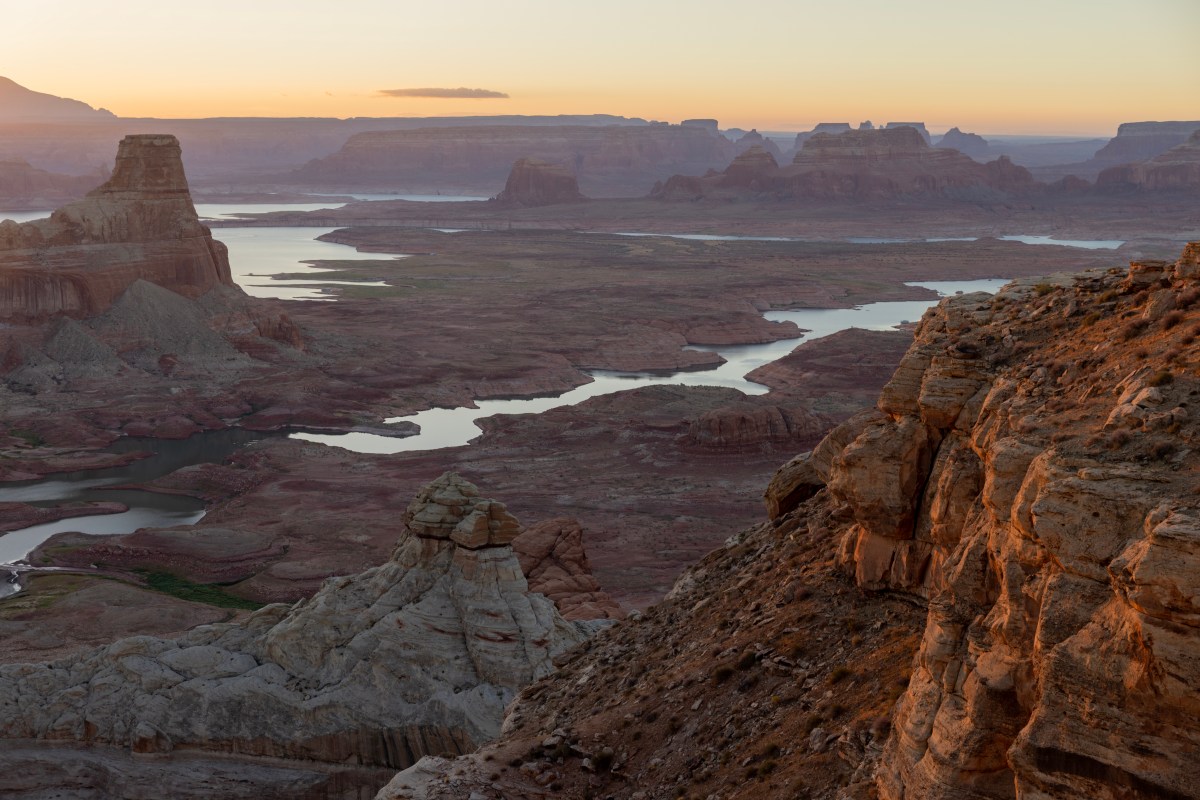
Lake Powell Water Crisis Sees Emergency Water Releases Continue
Summary
Officials have agreed to continue emergency water releases from Flaming Gorge Reservoir until April 2027 to help raise water levels at Lake Powell, which is critically low. These releases aim to support the Colorado River system, which supplies water to millions of people across seven U.S. states and Mexico.Key Facts
- About 450,000 acre-feet of water have been released from Flaming Gorge Reservoir since April, with plans for another 550,000 acre-feet by next April.
- The goal is to keep Lake Powell’s water surface above 3,510 feet while releasing 6 to 7 million acre-feet downstream yearly.
- Emergency releases help manage reservoir levels and protect water supply but can disrupt local recreation, businesses, and fishing around Flaming Gorge.
- The Colorado River is roughly 1,400 miles long and supports 40 million people, farmlands, hydropower, and wildlife across seven U.S. states and Mexico.
- Lake Powell and Lake Mead, the two largest U.S. reservoirs, reached record-low water levels in August 2026, with Lake Powell at 21% capacity and Lake Mead at 26%.
- Drought, low snowpack, and continued water demands have contributed to the record-low reservoir levels.
- The Bureau of Reclamation and regional officials use coordinated water releases and reductions to protect the river system.
- The Indian Glen Canyon Dam closed in 1963 to create Lake Powell, which has since been a critical water storage site.
Read the Full Article
This is a fact-based summary from The Actual News. Click below to read the complete story directly from the original source.