Summary
The Federal Reserve increased its main interest rate by 0.25 percentage points to a range of 3.75% to 4%, the highest since December 2025. This move aims to reduce inflation, which remains higher than the Fed’s 2% target, due in part to rising energy costs caused by the conflict in Iran.
Key Facts
- The Federal Reserve raised the federal funds rate by 0.25 percentage points on Wednesday.
- The new target range for the interest rate is between 3.75% and 4%.
- Inflation, measured by the Consumer Price Index, is at 3.4% annually, above the Fed’s 2% goal.
- The increase reverses earlier expectations that the Fed would lower rates in 2026.
- Rising oil prices from the Iran war have pushed diesel prices up 71% compared to last year.
- Gasoline prices have risen from $2.98 per gallon before the war to $4.37 now.
- Higher interest rates typically slow the economy because they make borrowing more expensive, reducing spending and investment.
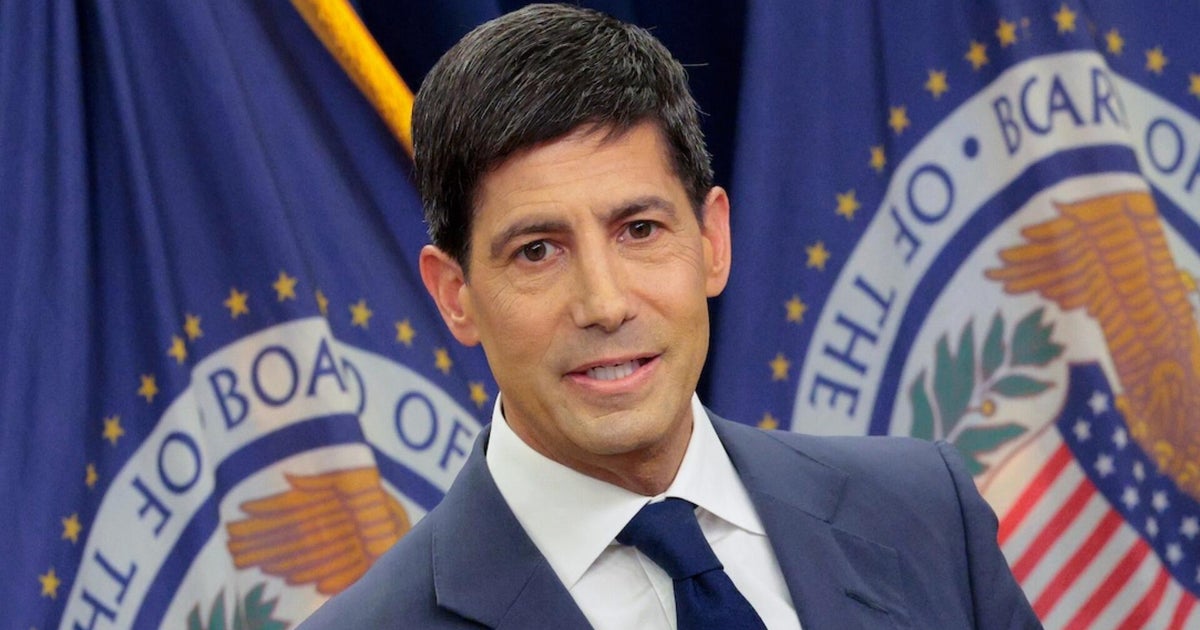
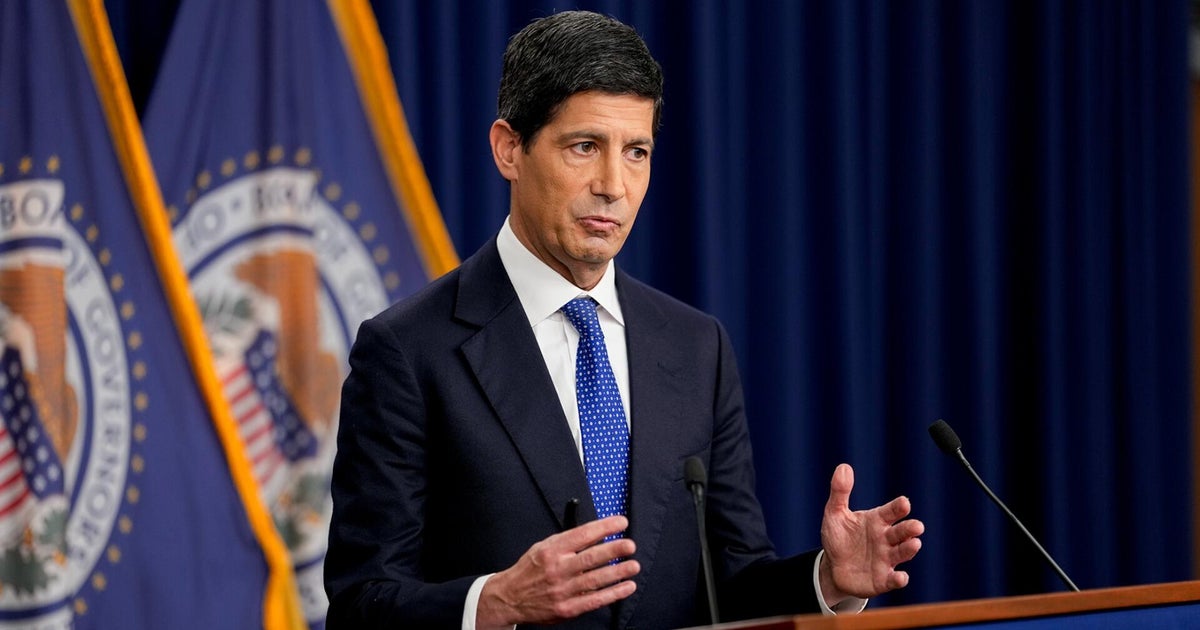
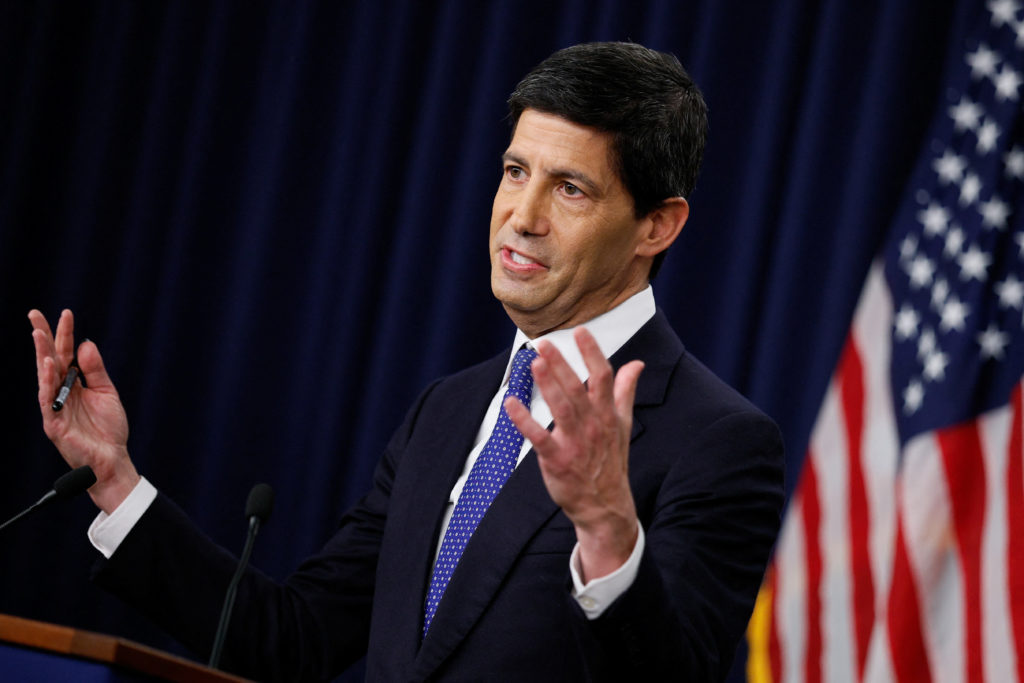
- Fed Chairman Kevin Warsh will discuss this policy change at a news conference.
This is a fact-based summary from The Actual News. Click below to read the complete story directly from the original source.